Brochure
 Existing customers


A Statement Detail
1 min read time
Sometimes, product detail leaves us truly amazed. Something a little cooler, a little more...

Limitless creations, materials and finishes
Achieve sustainability goals with eco-friendly options
Working with brands in every industry
Pushing for a better planet
Get up to date with the latest insights
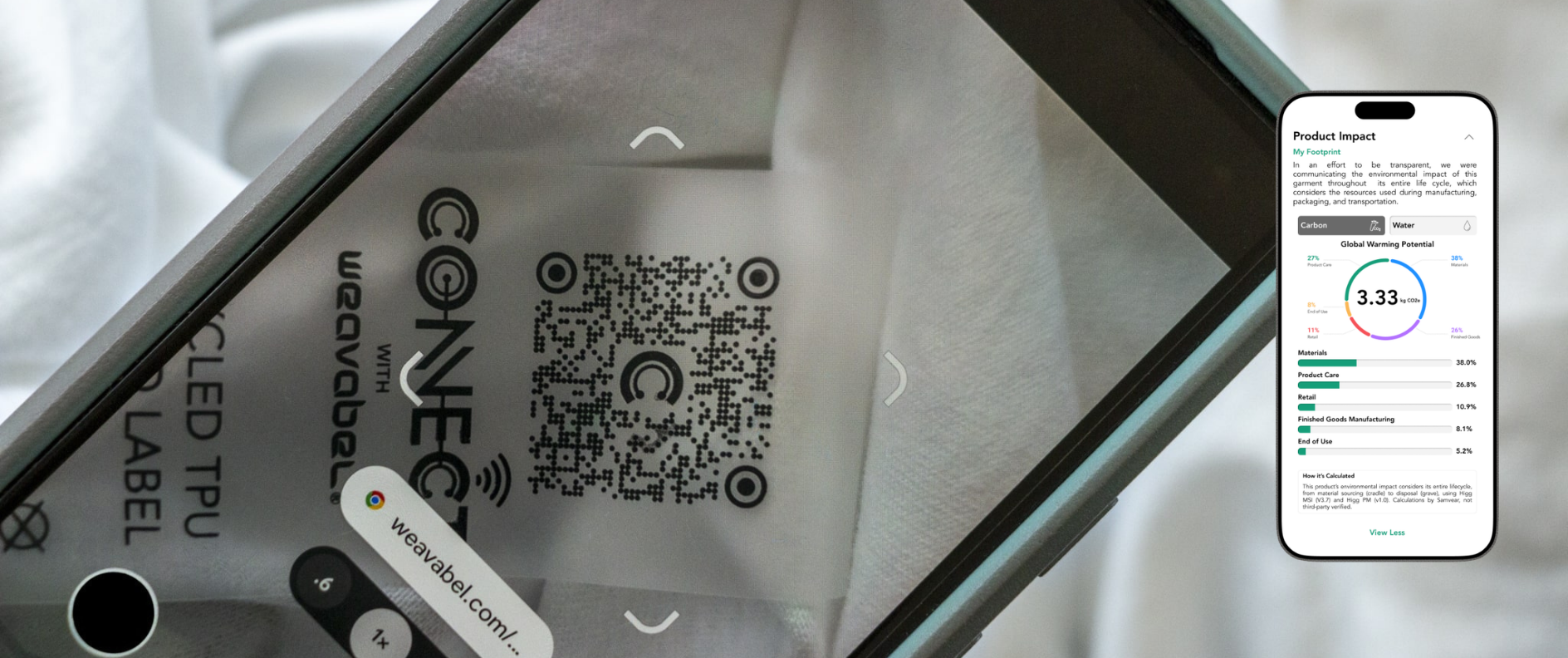
Scan a QR code or tap an NFC tag on a garment and a Digital Product Passport opens on your phone, showing materials, factory origins, environmental impact, care advice and end-of-life options on one page.
Below, we share three real Digital Product Passport examples from fashion brands, plus a section-by-section dive into the data a garment's DPP displays.
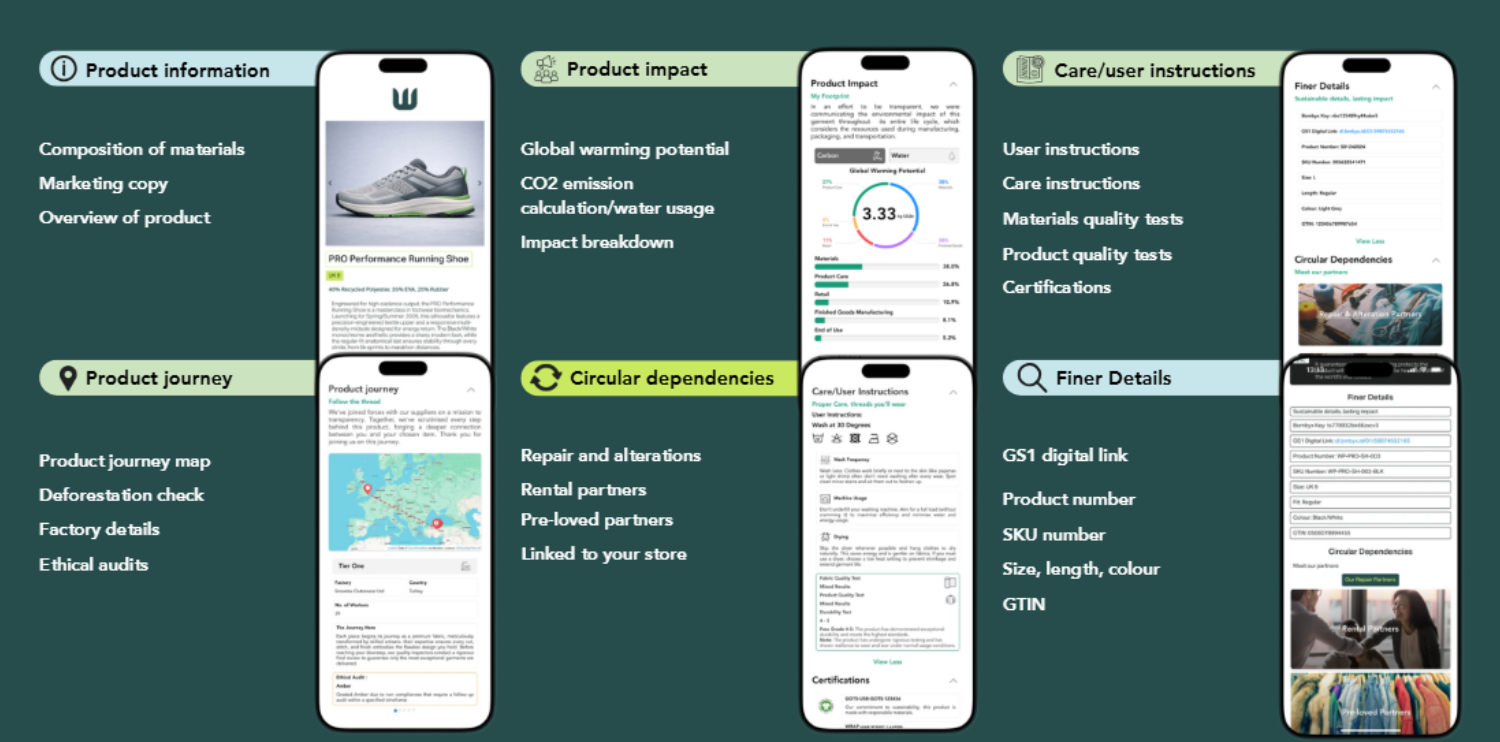
First, we'll run through a digital product passport example built on the Bombiix platform, which powers our own DPP solution. Each part reflects a requirement under the ESPR, using data the brand already collects.
Buyers land here first. Fibre composition is broken down by percentage weight, alongside a product overview and any marketing copy the brand wants to add. For a cotton-polyester blend, that means the exact split between fibres, instead of a vague "mixed materials" label.
This depth of detail is needed because the ESPR treats composition accuracy as a baseline requirement. It's also one of the first things market surveillance authorities will check.
Product journey maps the garment's route from raw material to finished item.
Factory names, locations and tier classifications appear alongside ethical audit results and deforestation risk assessments. Each supplier record links back to the brand's own procurement data, giving the passport genuine traceability instead of self-reported claims.
For brands selling into the EU, this level of supply chain transparency will be a legal requirement under the ESPR.
This area covers the product's environmental impact, including global warming potential and water usage. Each of these figures is calculated through a life cycle assessment or LCA.
Production-stage breakdowns show where the largest impacts sit. This lets a buyer see whether the bulk of a garment's carbon footprint comes from fibre production, dyeing or transport.
The Bombiix platform integrates with third-party LCA providers to generate these figures. This allows brands to get impact data for each product without paying for separate environmental reports.
Care instructions appear in the standard symbol format, with plain-language explanations alongside each one. Wash temperature, drying method and ironing guidance are all covered.
Below that, the section lists the results of any quality testing on the garment's materials and finished product, plus third-party certifications it holds. Buyers can verify everything within the passport itself, which saves having to separately request or research info from the supplier.
This section holds the product's unique identifiers. The GS1 Digital Link is the web address embedded in the QR code, pointing anyone who scans it to the right passport. The GTIN (Global Trade Item Number) sits alongside the SKU, product number, size and colour.
Most buyers will scroll past these fields. They're there for regulators, recyclers and resale platforms that need to find the garment's record months or years down the line.
The final section turns the passport into a tool for extending the garment's life. Repair and alteration services appear with direct links, alongside rental and pre-loved partner integrations. Brands can connect their own stores here too, keeping the resale or trade-in loop within their own ecosystem.
Repairability information, which the ESPR will eventually score and standardise across product categories, gives the owner a clear idea of what can be fixed and where to go.
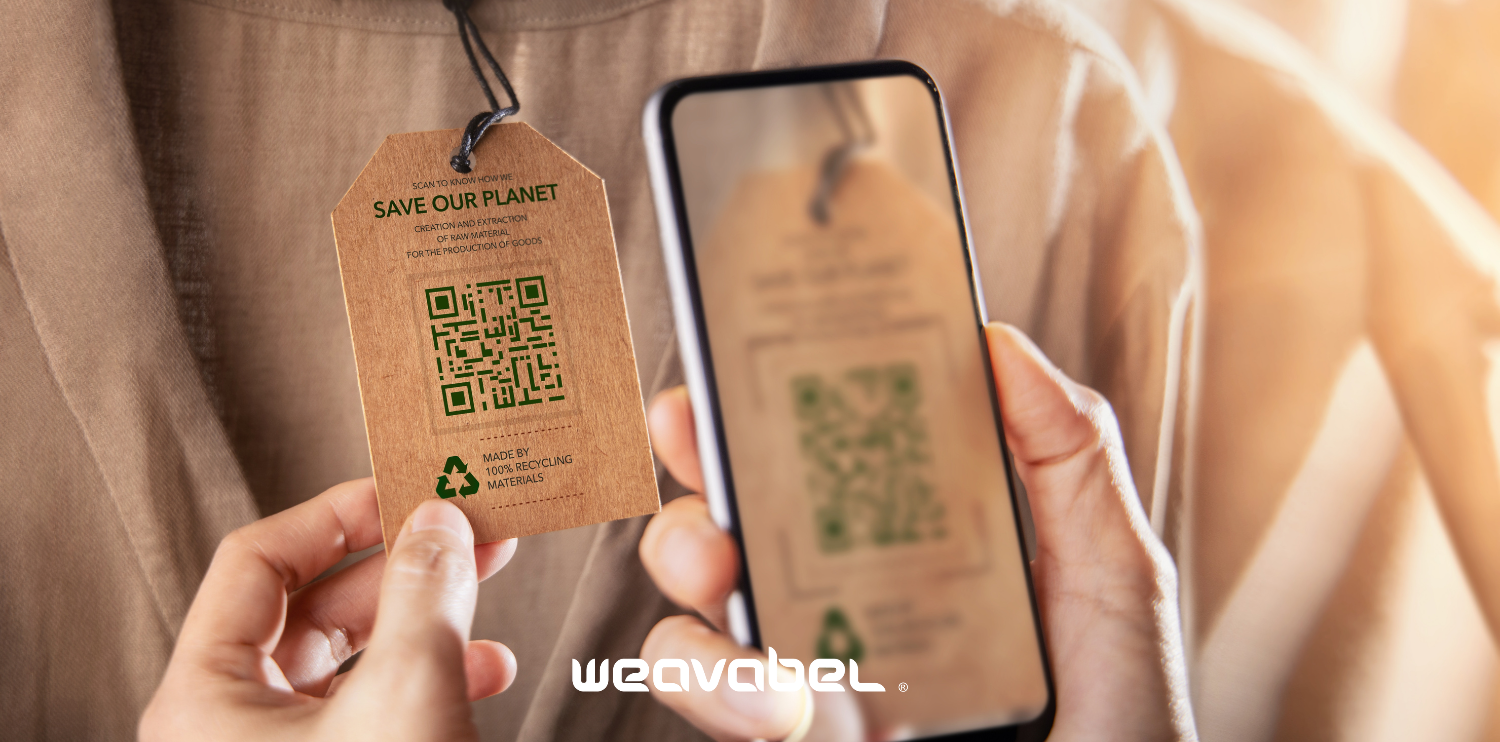
These three fashion brands have already gone live with Digital Product Passports. Each takes a different approach to the QR code or NFC tag, where it sits on the garment, and what the scan reveals.
Nobody's Child was one of the first UK fashion brands to roll out Digital Product Passports across its full range. Each garment carries a QR code printed on the care label.
Scanning it opens a page showing the product's carbon footprint, fibre composition, care instructions and links to circular services like resale and repair. The passports are powered by Fabacus through its Xelacore platform.
Italian luxury house Tod's embedded NFC tags inside its Di Bag collection. The tag sits within the product itself rather than on a visible label, keeping the experience seamless.
Tapping a phone to the bag opens an authentication certificate and proof of ownership, alongside product details. Tod's built the system with Temera, which specialises in NFC-based luxury authentication.
Italian denim brand Dondup attaches QR codes to the labels of over 600,000 articles per collection. That scale makes it one of the largest DPP rollouts in fashion so far.
Scanning the code pulls up material composition, supply chain data and environmental impact figures. The passports are built and managed by Renoon.
|
Brand |
Product |
QR or NFC |
Placement |
What the scan shows |
Provider |
|---|---|---|---|---|---|
|
Nobody's Child |
Womenswear (full range) |
QR code |
Care label |
Carbon footprint, composition, care, circular services |
Fabacus |
|
Tod's |
Di Bag collection |
NFC tag |
Embedded inside product |
Authentication, ownership certificate, product details |
Temera |
|
Dondup |
Denim (600,000+ articles) |
QR code |
Garment label |
Composition, supply chain, environmental impact |
Renoon |
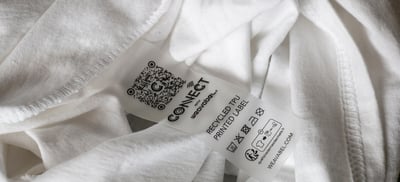
For most garments, the Digital Product Passport starts with a QR code printed or woven into the care label.
The QR code contains a web address built on the GS1 Digital Link standard. When someone scans it, their phone opens the passport for that specific product. The address is unique to each item, which is how regulators and recyclers can look up a single garment years after it was sold.
Most DPP providers handle the software side only. The brand still has to figure out how to get the QR code onto the product. We close that gap by generating the QR code as part of the same care label order the brand already places, with Bombiix structuring the data behind it. Because the physical label and the digital record are produced together, brands don't need to manage a separate integration or bolt on a third-party system afterwards.
Digital Product Passports aren't built for one audience. Three groups will use them, each looking for something different.
Buyers and merchandisers use the passport to verify what they're sourcing. Composition, origin, certifications and environmental impact data all sit in one place, which cuts out the back-and-forth of requesting documents from suppliers. For brands selling direct to consumers, the passport also gives shoppers a way to check claims for themselves before they buy.
Recyclers need to know exactly what a garment is made of before they can process it. A cotton-polyester blend requires different handling to pure wool. The passport gives sorting facilities access to fibre composition and material data at item level, which makes mechanical and chemical recycling more accurate and less wasteful.
Market surveillance authorities will use Digital Product Passports to check whether products on sale meet the rules set out under the ESPR. That means verifying composition accuracy, environmental claims and supply chain data without relying on the brand's own reporting. The passport gives regulators a single, standardised record to audit.
The ESPR is an EU regulation, but any brand selling into the EU market needs to comply. That includes UK brands. The exact rules for textiles are expected around 2027, with mandatory compliance realistically no earlier than 2028.
Waiting until the deadline hits means rushing a solution under pressure. Brands that start now can build their product data gradually, test the process on a smaller collection and work out any gaps before compliance becomes urgent.
Nobody's Child prints a QR code on each garment's care label. Scanning it opens a page showing fibre composition, carbon footprint, care instructions and links to resale and repair services. The passport is powered by Fabacus and covers the brand's full range.
A digital passport for garments is a product-level record accessed by scanning a QR code or tapping an NFC tag. It holds materials, supply chain origins, environmental impact data, care guidance and end-of-life options in one place, linked to a single item rather than a product line.
Textiles are a priority product group under the EU's ESPR. The exact rules for textiles are expected around 2027, with mandatory compliance realistically no earlier than 2028. Any brand selling into the EU will need to comply, regardless of where it is based. Read our requirements guide for the full timeline.
Your phone opens a web page tied to that specific garment. The page displays composition, sourcing, environmental impact, care instructions, certifications and circular options such as repair or resale. No app is needed.
Yes. Weavabel's DPP solution, built with Bombiix, is available to preview. Visit our Digital Product Passport page to see how the platform works and speak to the team about your collection.