 Existing customers



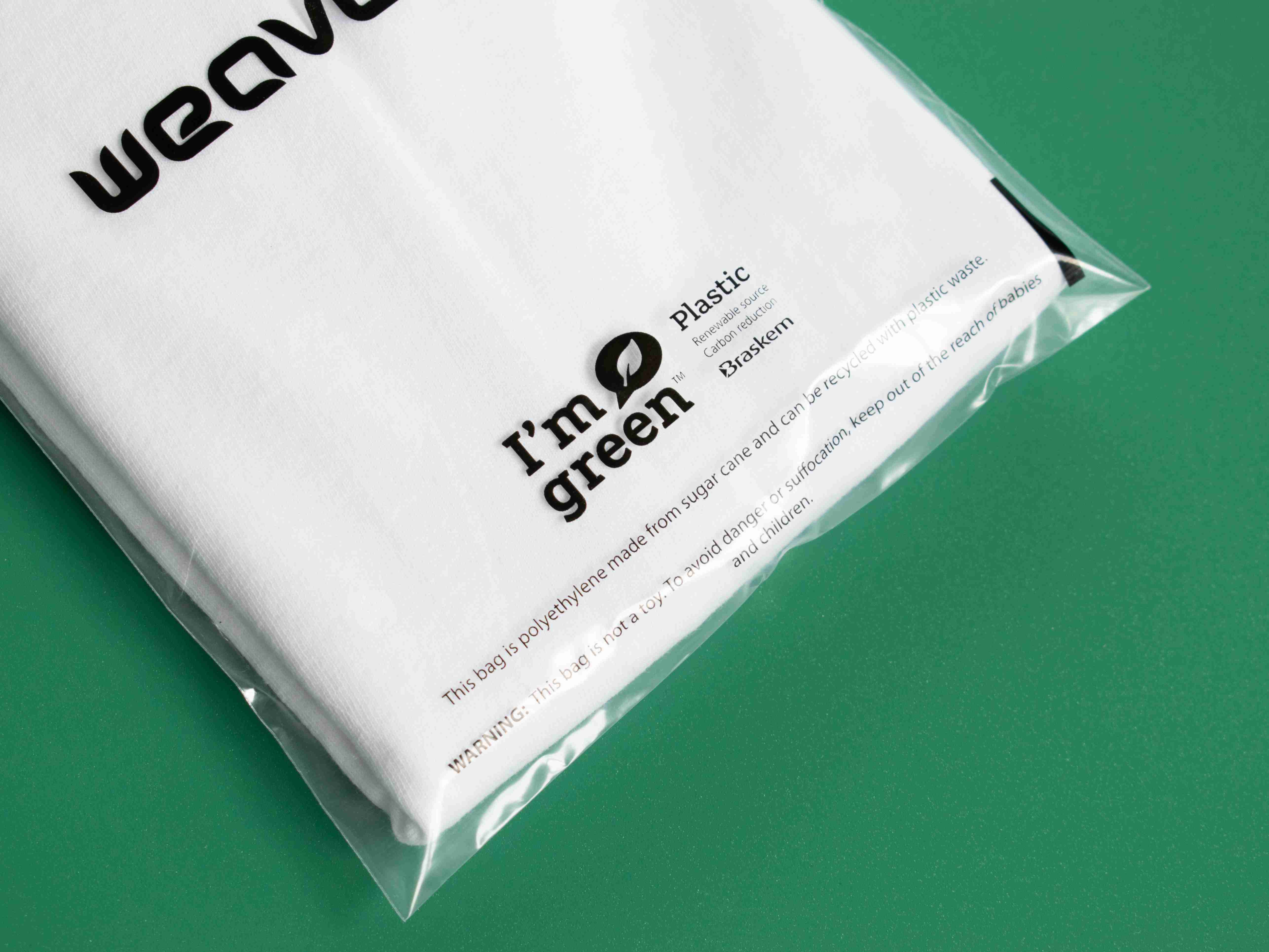



EU digital product passport requirements explained for textile and apparel brands. Timeline, regulation status, and what your care label data already covers.
.png)
What this blog covers
Textile and apparel are expected to be among the first product groups to need a digital product passport (DPP). Each passport links a product to a digital record, reached through a data carrier such as a QR code. The textile delegated act, which the EU has yet to adopt, will confirm what that record must contain and where the carrier sits.
The regulation behind it became law in July 2024, and the EU's central DPP registry went live on 20 July 2026. The detailed rules for textiles are expected in late 2027. Once they are confirmed, brands can normally expect at least 18 months before the rules apply.
That timeline sounds comfortable. But AW28 design and sourcing starts in early 2027, and the textile rules are not due until late 2027. By then, AW28 trim specifications will already be heading into production. Product managers and brand managers who wait for final confirmation will be retrofitting compliance into live production runs.
Some of the data a DPP is likely to require already sits in your care labelling workflow. The priority now is understanding what the regulation is likely to ask for and where the gaps are.
Quick overview
- A digital product passport is a digital record of a product's materials, origin and lifecycle data, accessed through a data carrier such as a QR code.
- It is expected to apply to in-scope textile products placed on the EU market, including UK brands selling to EU retailers post-Brexit.
- The detailed rules for textiles are expected in late 2027, with compliance no earlier than late 2028. Dates remain indicative until formally confirmed.
- Start now: audit your existing care label data against proposed DPP requirements and review how your trims supplier captures product data.
What is a digital product passport?
A digital product passport is a structured digital record linked to an individual product. Its job is to give buyers, consumers and regulators access to product information, such as materials, traceability and sustainability data. For textiles, the delegated act will confirm exactly which information that covers.
For textiles, the passport is reached through a physical data carrier. The ESPR allows this to sit on the product, its packaging or accompanying documentation, and the textile delegated act will decide which applies. A QR code printed on a care label is one example.
The system has three parts.
- A unique product identifier ties the passport to a specific item or model.
- A digital record holds the required data fields, hosted on a platform accessible to buyers, consumers and regulators.
- A data carrier that meets the DPP standards, such as a QR code, links the physical product to the record.

Digital product passport requirements and regulation
The law behind the DPP is the Ecodesign for Sustainable Products Regulation, known as the ESPR, which became law in July 2024.
The ESPR sets the broad framework, but the specific rules for each product type are being written separately.
These separate rulebooks are called delegated acts, and textiles will get their own. That means we know a textile DPP is coming, but the final detail on exactly what data it must hold has not been confirmed yet. The EU DPP Registry, the central database where all passports are registered, went live on 20 July 2026.
The European Commission's ESPR Working Plan 2025–2030 lists textiles and apparel as a priority, with the delegated act targeted for late 2027.
What data will a textile digital product passport need?
The European Commission's Joint Research Centre (JRC) is exploring what a textile passport could hold. Its preparatory work covers areas such as:
- Material composition and recycled content (fibre percentages, certified recycled content)
- Supply chain traceability (factory data, country of origin, certifications)
- Care, repair and end-of-life guidance (care instructions, repair advice, disassembly information)
- Substances of concern
- Durability and recyclability information
That list looks like a lot. But brands already collect and send some of this data to their trims supplier as part of the care labelling process.
The Textile Labelling Regulation (EU No 1007/2011) already requires fibre composition information for textile products. Many brands also capture care instructions, country of origin and supplier information through their existing labelling and product-data workflows.

What you already have, and what's new
|
Data already in your care label workflow |
DPP data area it could support |
What may be needed on top |
|---|---|---|
|
Fibre composition |
Material composition and recycled content |
Recycled content, material origin and supporting evidence |
|
Care symbols and instructions |
Care and maintenance guidance |
Repair, durability or circularity information |
|
Country of origin |
Basic origin information |
Supplier, facility and upstream traceability |
|
Supplier and factory data |
Supply-chain information |
Facility identifiers, sub-tier information and certifications |
The areas the JRC is exploring suggest three likely gaps for most brands.
- Sub-tier supply chain traceability: Raw material origins, factory-level certifications, chain-of-custody documentation.
- Environmental impact calculations: Carbon footprint per product, water usage and other lifecycle data that most brands do not calculate at item level, if the final rules ask for it.
- End-of-life guidance: Repair instructions, disassembly information and recyclability details that go beyond standard care symbols.
Most brands start from a stronger position than the regulation's complexity suggests. Those three areas are worth reviewing before the delegated act is published.
Who is responsible for the digital product passport?
Under the ESPR, responsibility sits with the business that places the product on the EU market or puts it into service, known as the economic operator. Exactly what that involves depends on its role in the supply chain, for example as a manufacturer or importer.
Penalties are set at national level under the ESPR (Regulation (EU) 2024/1781). Member states must be able to impose at least fines and time-limited exclusion from public procurement, and non-compliant products can be barred from the EU market.
Digital product passport timeline
The rollout is phased. Battery passports become mandatory in February 2027, setting the first real-world test of the DPP system for every category that follows.
Key dates for textile brands, mapped against the production cycle:
|
When |
Regulatory milestone |
What it means for your production cycle |
|---|---|---|
|
July 2024 |
ESPR became law |
The regulation underpinning DPPs is confirmed. |
|
20 July 2026 |
EU DPP Registry went live |
The central registry where all passports must be registered is now up and running. |
|
Early 2027 |
AW28 design and sourcing begins |
Likely DPP data needs should be factored into care label and trim specifications at this stage. |
|
February 2027 |
Battery passports become mandatory |
First live DPP enforcement across any product category. |
|
Q3–Q4 2027 (indicative) |
Textile delegated act expected |
Confirms the data requirements for textile and apparel products. |
|
~Late 2028 at earliest |
Earliest textile compliance date |
The soonest textile products could be required to carry a DPP. The ESPR normally allows at least 18 months after a delegated act takes effect. |
None of these dates are final, and timelines can shift. Despite this, they are the best planning reference available, and waiting for absolute certainty is a risk in itself.
AW28 design begins in early 2027, several months before the textile delegated act is expected. A brand that waits for the final text will be adding compliance to a production cycle that is already moving. That costs more and is harder to get right.
Do UK brands need a digital product passport?
Yes. Brands selling in-scope textile products into the EU will need to meet the applicable DPP requirements, wherever the brand is based. The textile delegated act will confirm which products are in scope.
The formal registration may sit with an EU-based importer, but the underlying data still originates with the brand and its suppliers. That includes information such as fibre composition, supply chain records and care instructions. If that data doesn't exist on the brand side, the DPP can't be created.
Most UK fashion brands with international distribution sell into the EU, so this is likely to affect them.
Digital product passports for textiles
The textile delegated act will confirm what data a garment's passport must contain. For a product manager, though, the practical question is simpler. How does the passport actually get onto the garment?
How Weavabel can connect the physical product to the DPP
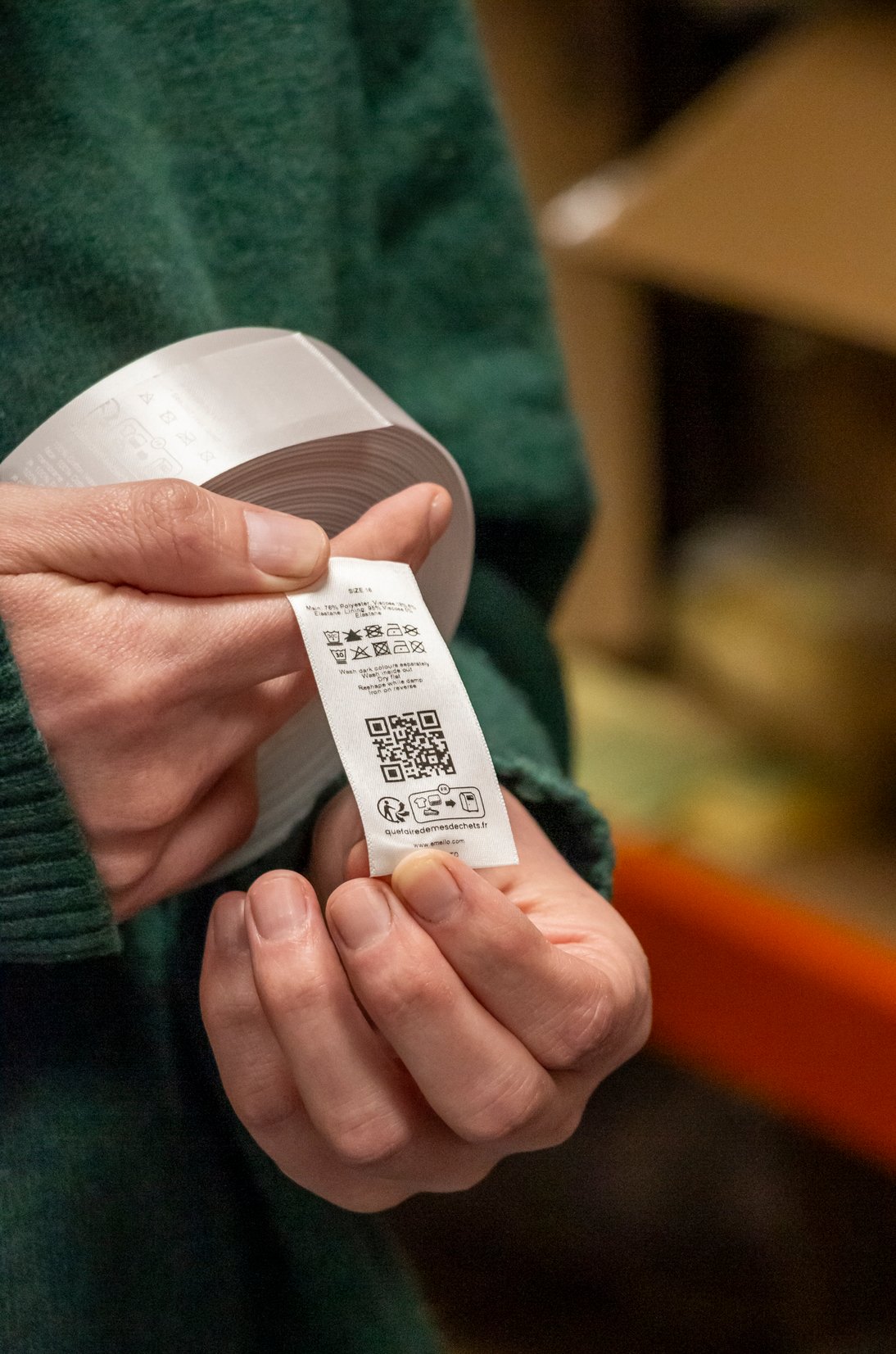
One practical implementation is to incorporate the DPP data carrier into the care label. Weavabel can generate and print the relevant code as part of the existing label-ordering workflow. The physical trim and the digital record come off a single production line.
Preparation steps for textile brands
Getting the data ready takes more planning than the print run itself. Here are five steps product managers can take before the delegated act lands:
- Audit your existing care label data against proposed DPP requirements.
The data you already send with every care label order maps to several proposed DPP fields. Run your current specification against the areas the JRC is exploring and identify what's covered and what's missing - Review how your trims supplier handles product data.
Can your current supplier receive, store and encode structured product data, including QR code generation? This is likely to matter once the delegated act is confirmed. - Start mapping your supply chain now.
Sub-tier traceability tends to be the deepest gap. Building origin data, factory certifications and chain-of-custody records into new supplier agreements now is far easier than tracing them backwards once the deadline hits. - Check your care label and packaging specifications.
Can your current care labels accommodate a QR code? Do your packaging specs support printed or applied data carriers? These are production decisions, not IT decisions. - Connect your labelling and data management workflows.
Brands whose product data, labelling and trims ordering already run as a connected system will handle DPP with the least disruption. Fragmented processes will create bottlenecks when the digital product passport requirements are confirmed.
Digital product passport FAQs
When will digital product passports become mandatory for textiles?
The earliest compliance date is around late 2028 or early 2029. The textile delegated act is targeted for adoption in Q3 to Q4 2027, and the ESPR normally allows at least 18 months after a delegated act takes effect. These dates are not final until the act is formally published.
Do UK fashion brands need a digital product passport?
Yes, if they sell in-scope textile products into the EU. The ESPR applies wherever the brand is based, and the textile delegated act will confirm which products are covered. UK brands exporting to EU retailers or distributors should plan to meet the applicable requirements once it takes effect.
What data does a textile DPP need to contain?
The textile delegated act will set the mandatory fields. The JRC is exploring areas including material composition, traceability, care and repair guidance, substances of concern, and durability and recyclability.
How does a digital product passport connect to a care label?
The passport is reached through a standards-compliant data carrier, such as a QR code, that links to a unique product identifier. The carrier can sit on the product, its packaging or accompanying documentation, and the textile delegated act will decide which applies. Much of the information a DPP is likely to need, including fibre composition, care symbols and country of origin, already appears on the care label.
Who is responsible for creating a digital product passport?
Under the ESPR, responsibility sits with the business that places the product on the EU market or puts it into service, known as the economic operator. Exactly what that involves depends on its role in the supply chain, for example as a manufacturer or importer.
What happens if a brand doesn't comply with DPP requirements?
Non-compliant products cannot be placed on the EU market or put into service. Under Regulation (EU) 2024/1781, member states must impose penalties including fines and potential exclusion from public procurement. National market surveillance authorities handle enforcement.
Preparing your labelling for DPP
The delegated act will confirm the detail, but the direction is clear. Product data that already flows through your care label orders is likely to form a significant part of your digital product passport.
The brands that move earliest will be the ones whose labelling, trims and product data workflows are already connected when the rules land. Getting that infrastructure in place now, before the delegated act drops, removes the pressure of retrofitting compliance into a live production cycle.
Weavabel's digital product passport solution, delivered in partnership with Bombiix, builds DPP readiness into the care label and packaging workflow brands already run.
-1.png?width=1200&height=400&name=CTAs%20for%20blogs%20(3)-1.png)
