Poly bags

Choose a sustainable alternative to single-use plastics with our poly bags.
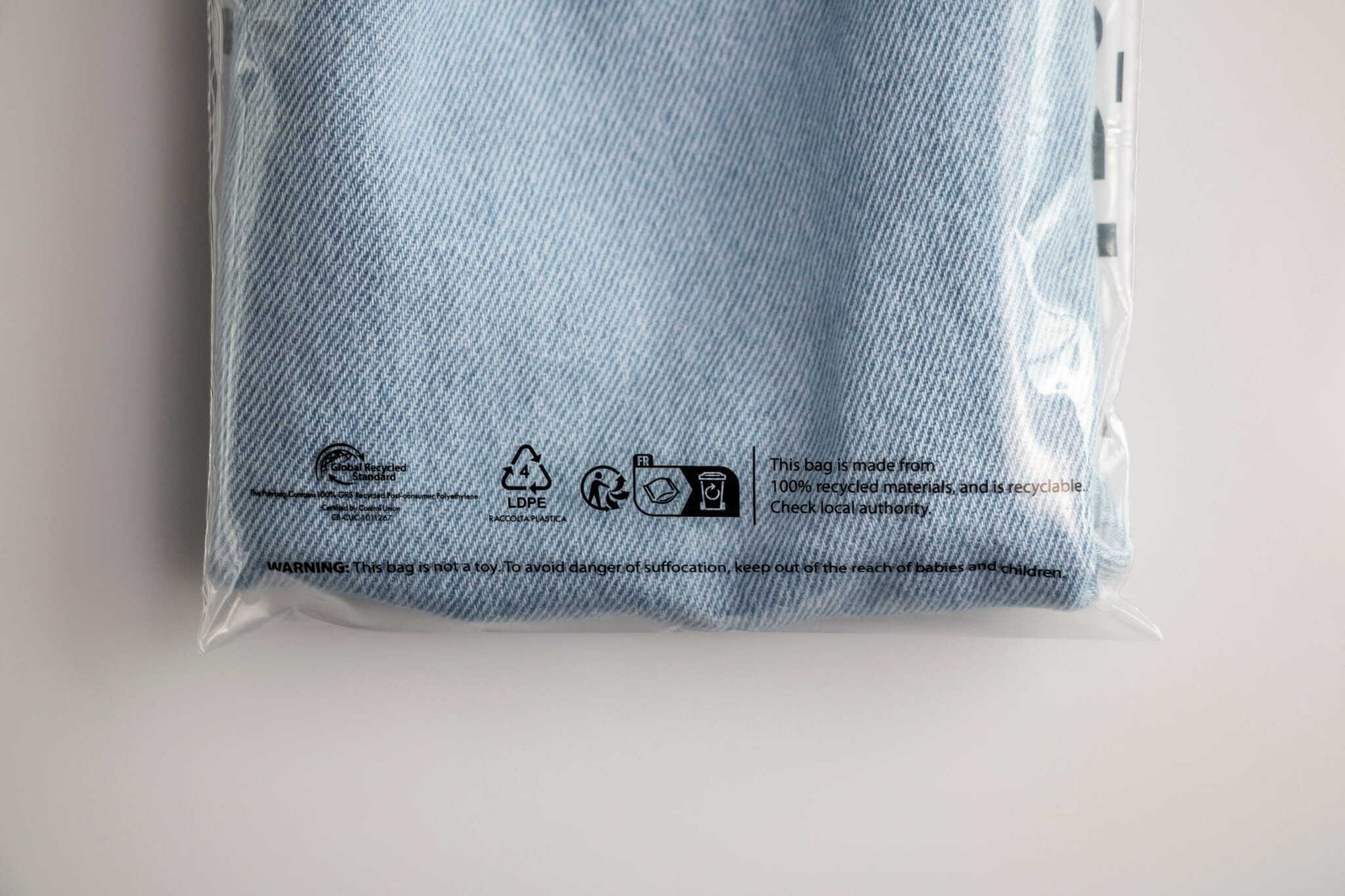
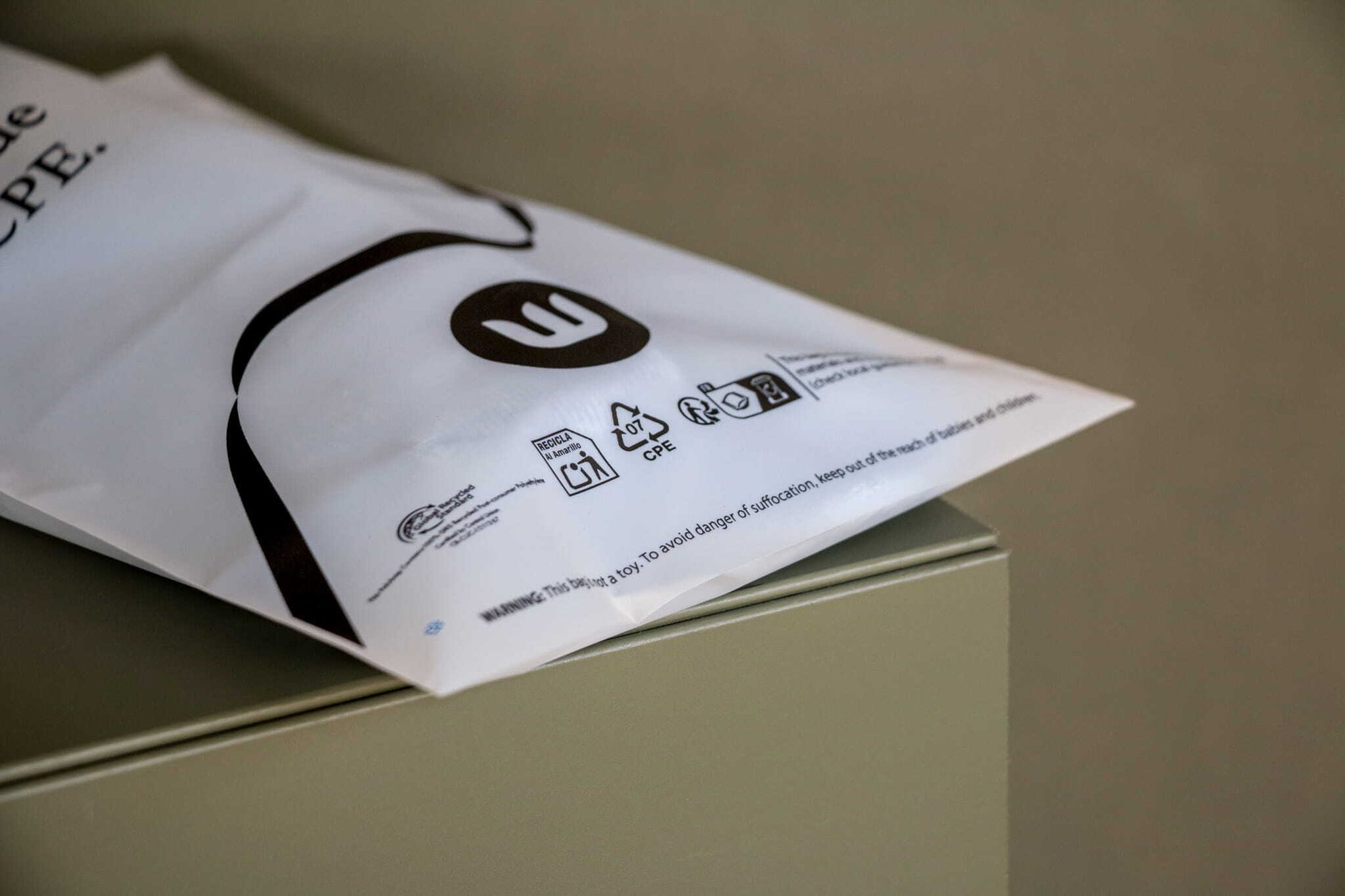
Weavabel GRS polybag compliant logos
Polybag
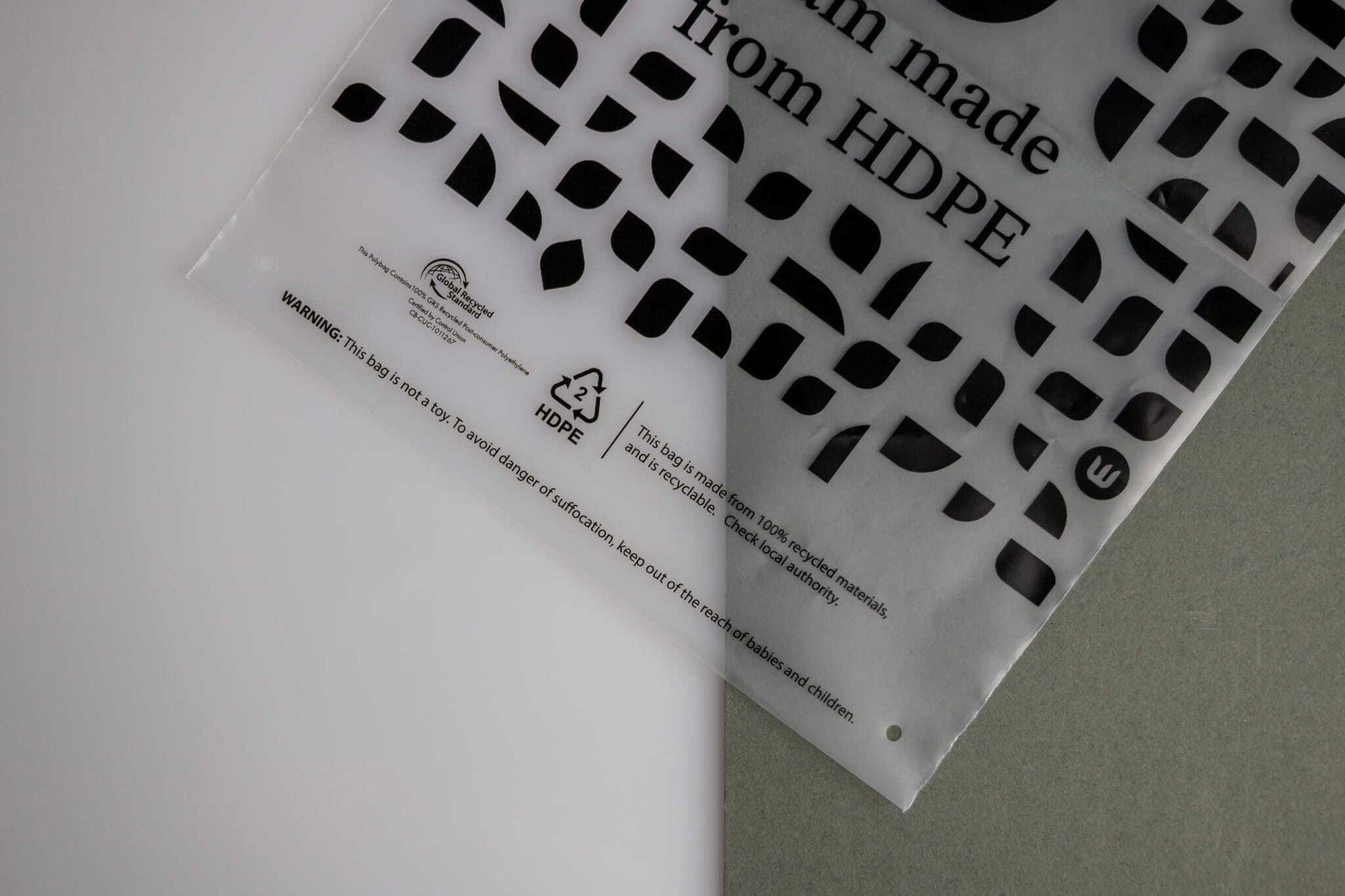
Weavabel HDPE compliant logos
Polybag
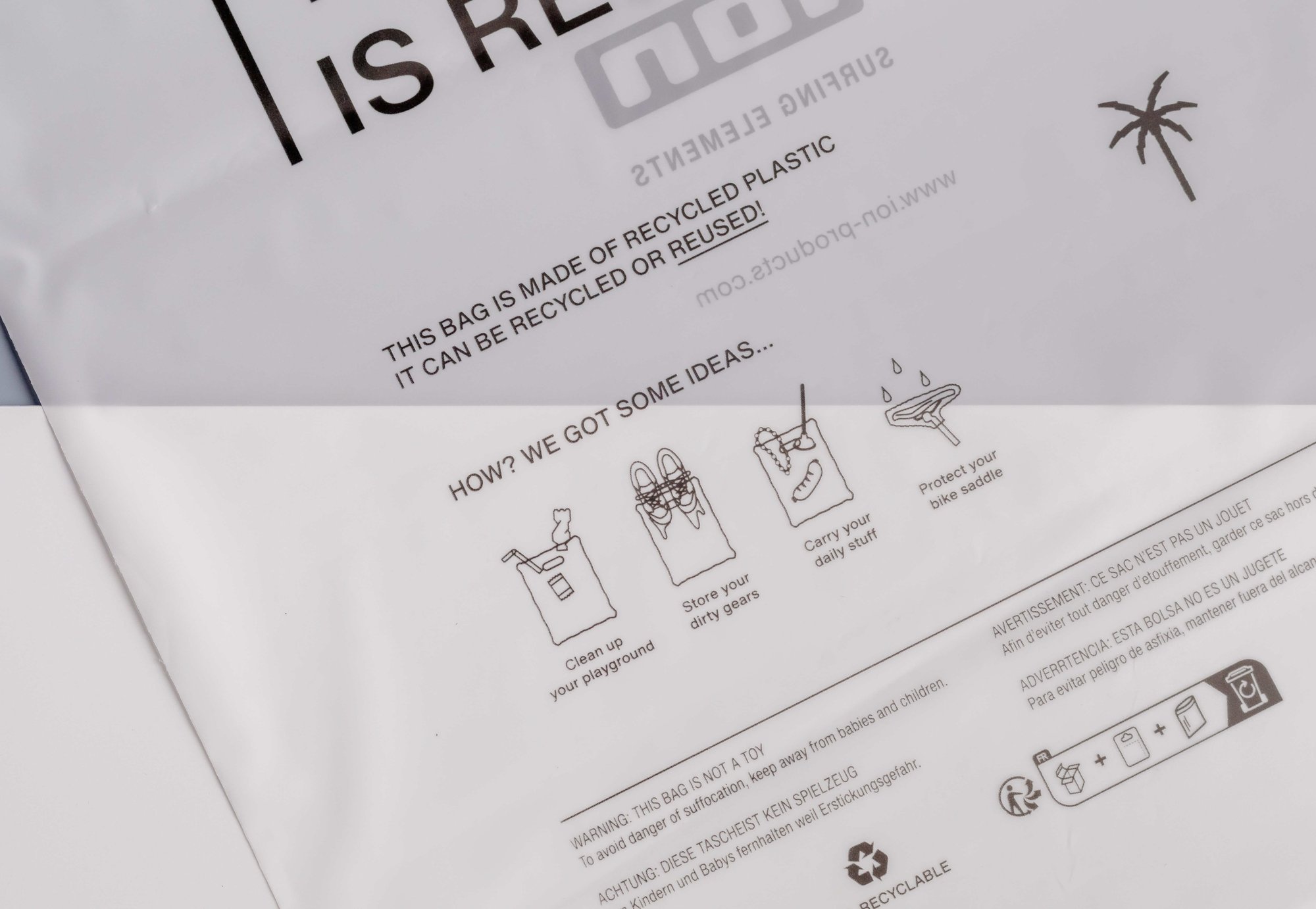
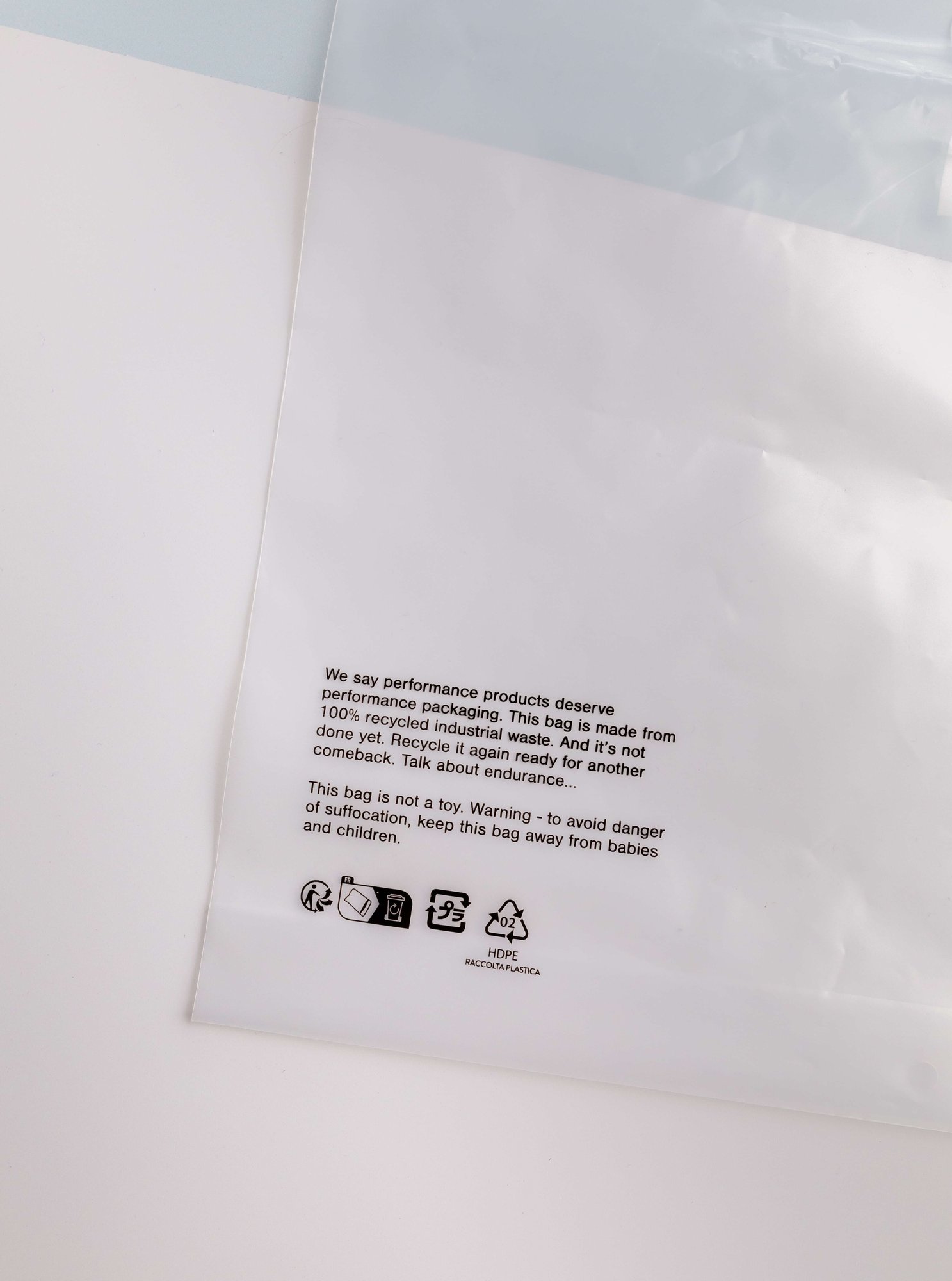
Polybag compliant logos
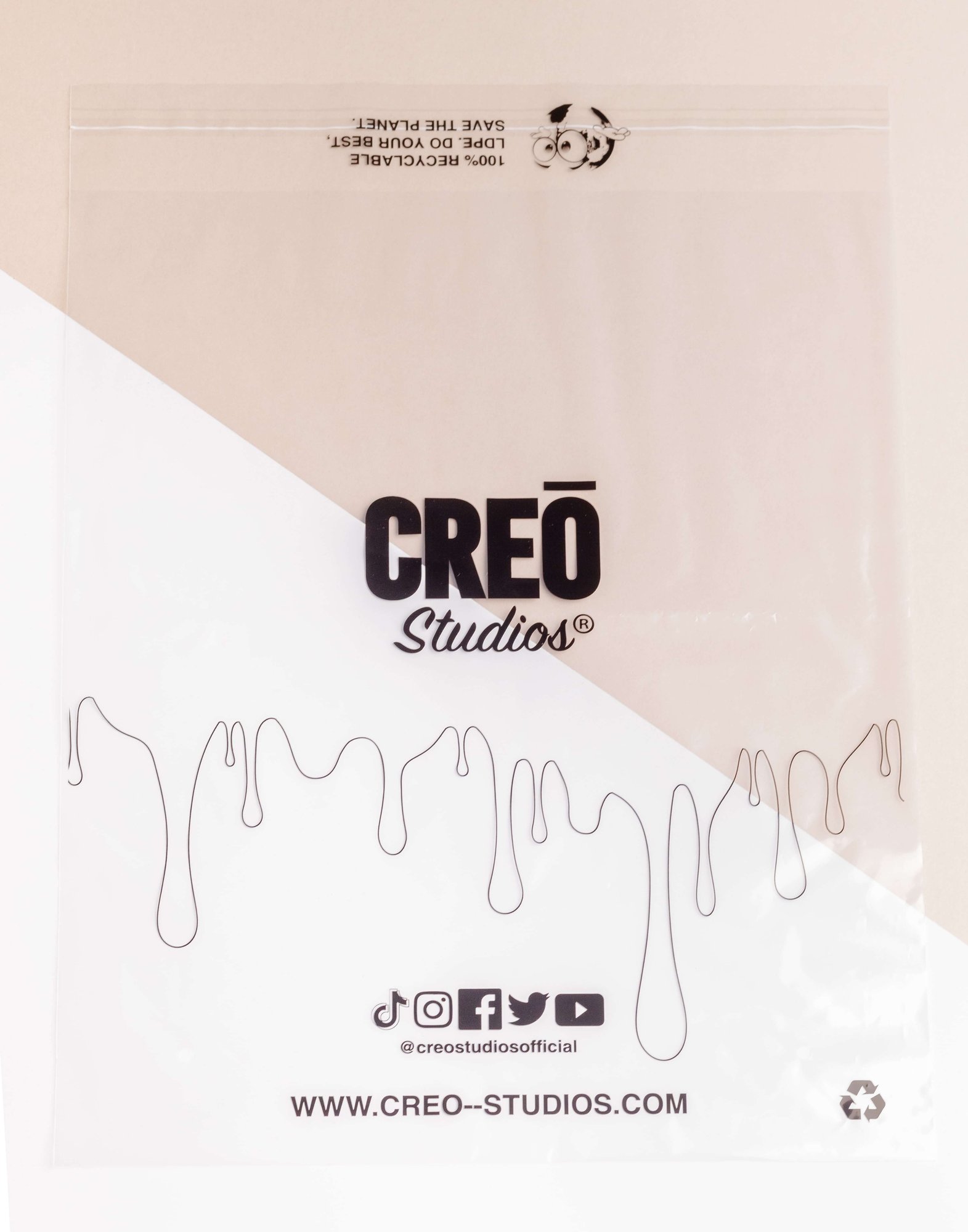
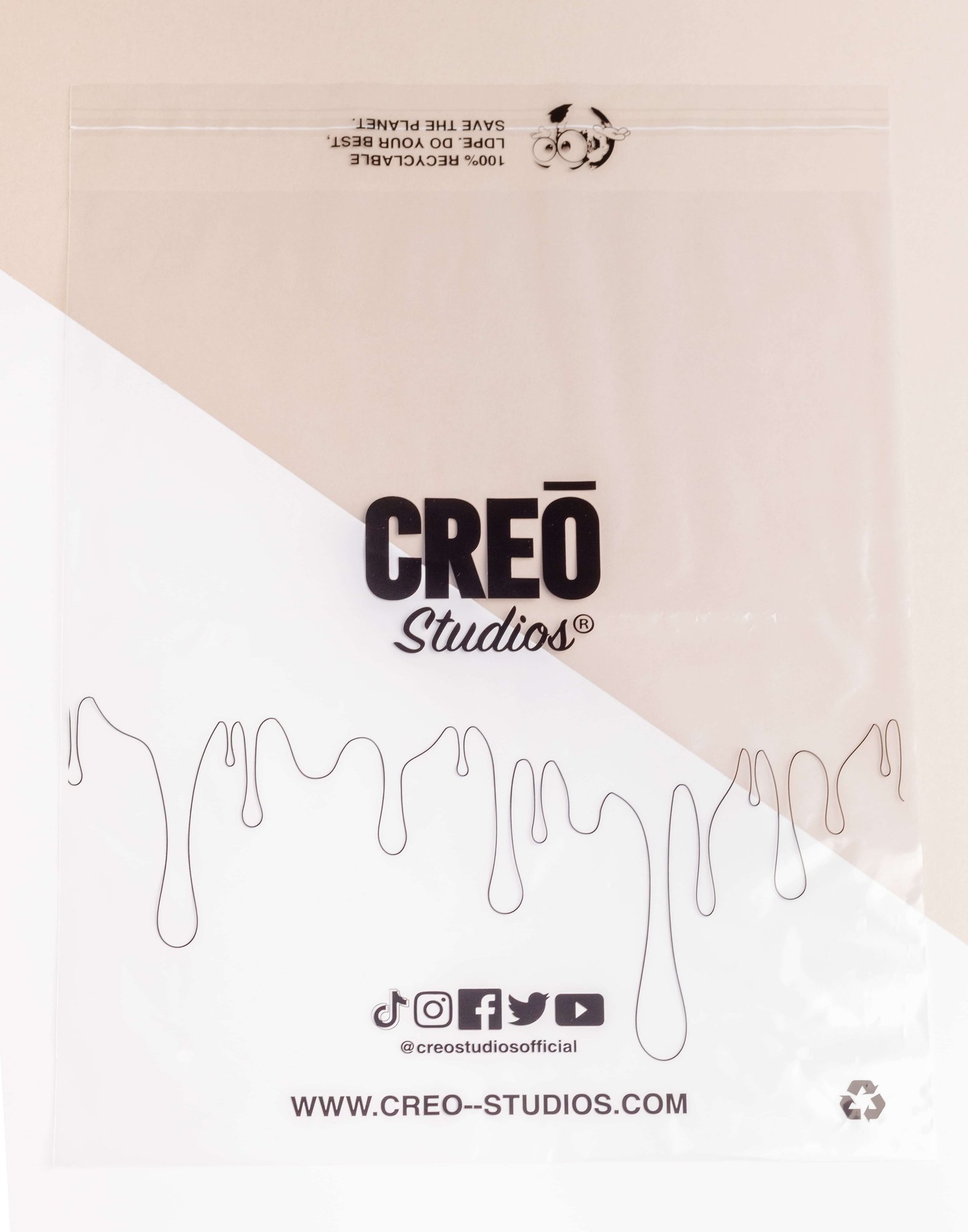
Polybag Creo

Stay compliant

With new sustainability rules and anti-plastic regulations coming into play, remaining compliant with your poly bags is essential. This is where we come in. We’ll audit and advise you on the best choices, whilst always keeping sustainability front of mind.
Don’t sacrifice sustainability

Gone are the days when single-use, unsustainable plastics were the only option. We offer a range of eco-friendly poly bag materials from completely plastic-free options and water-soluble plastics to recyclable and recycled options.

Certified materials

We’re constantly investing in finding the most innovative and sustainable materials. Our experts know the technical specifications inside-out, guiding you to the right choice for your project.
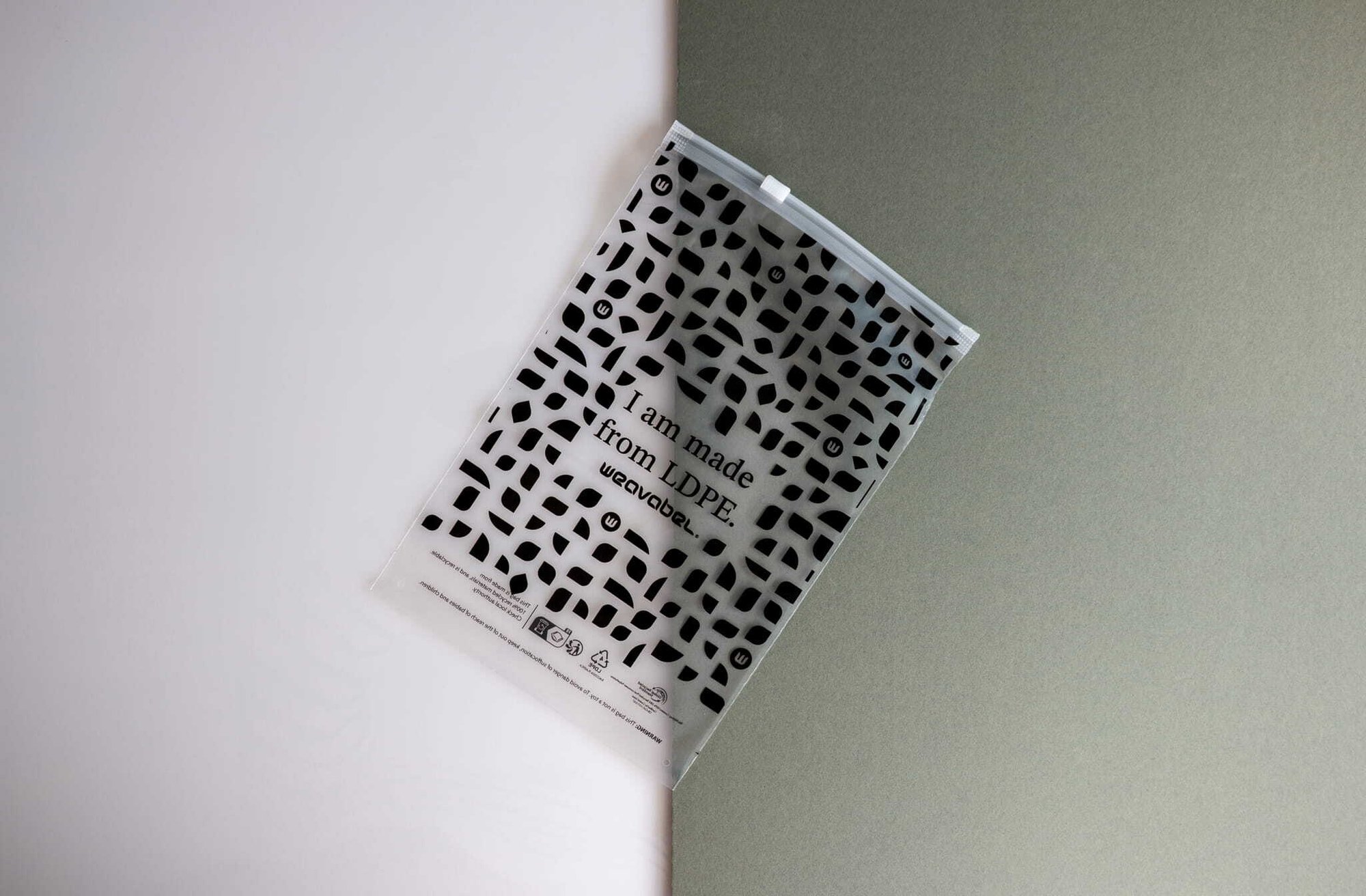
Weavabel LDPE polybag

Recycled LDPE

  • Low-density polyethene
  • This polybag can be made from up to 100% post-consumer plastic waste.
  • Recyclable
  • GRS certified
  • Closure options: Adhesive strip, gripseal, ziplock.
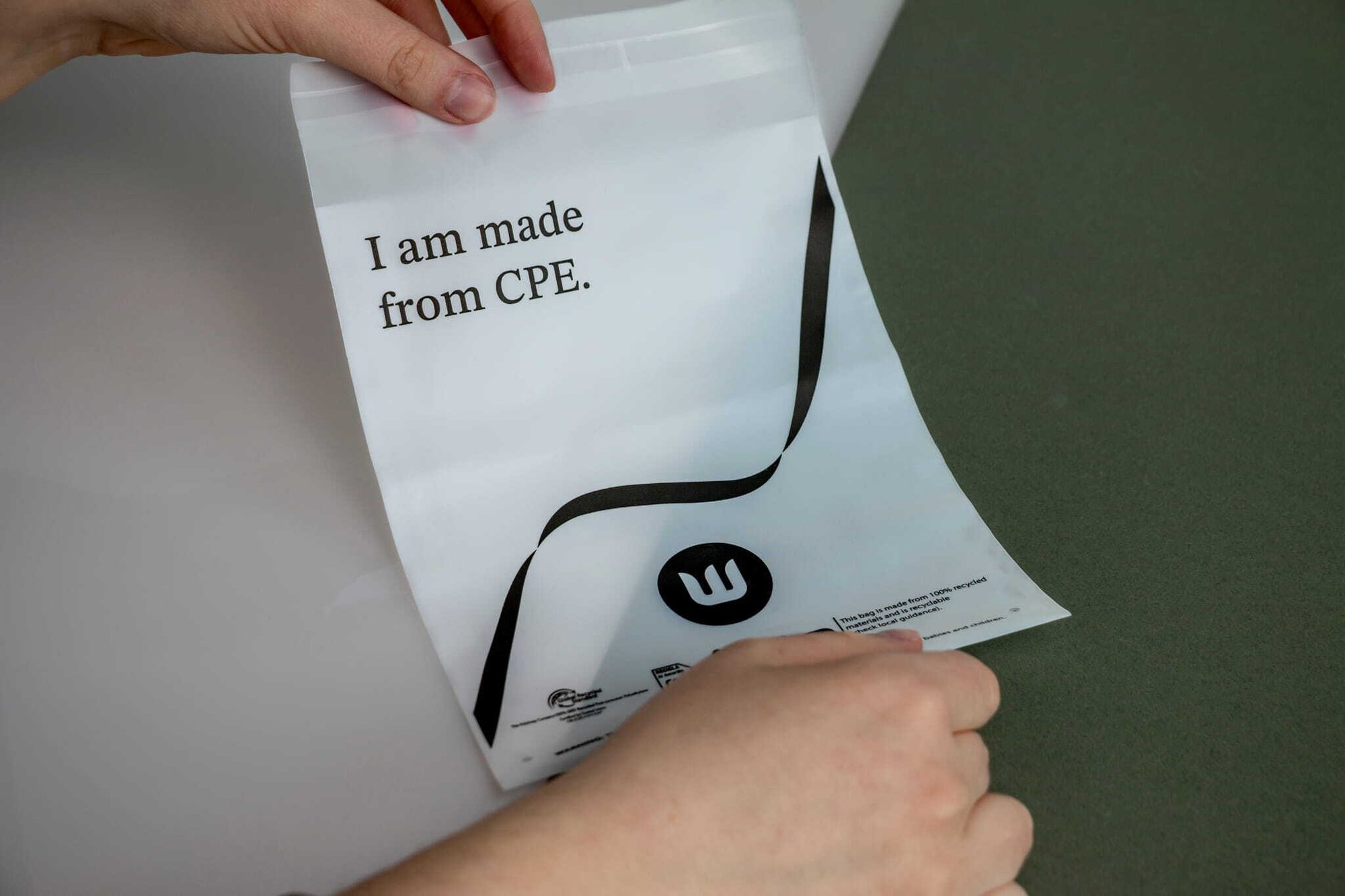
CPE polybag

Recycled CPE

  • Chlorinated polyethelene
  • Soft, flexible and frosted, this polybag has similar features to LDPE.  Sourced from pre-consumer plastic waste.
  • GRS certified & recyclable
  • Closure options: Adhesive strip, gripseal, ziplock.
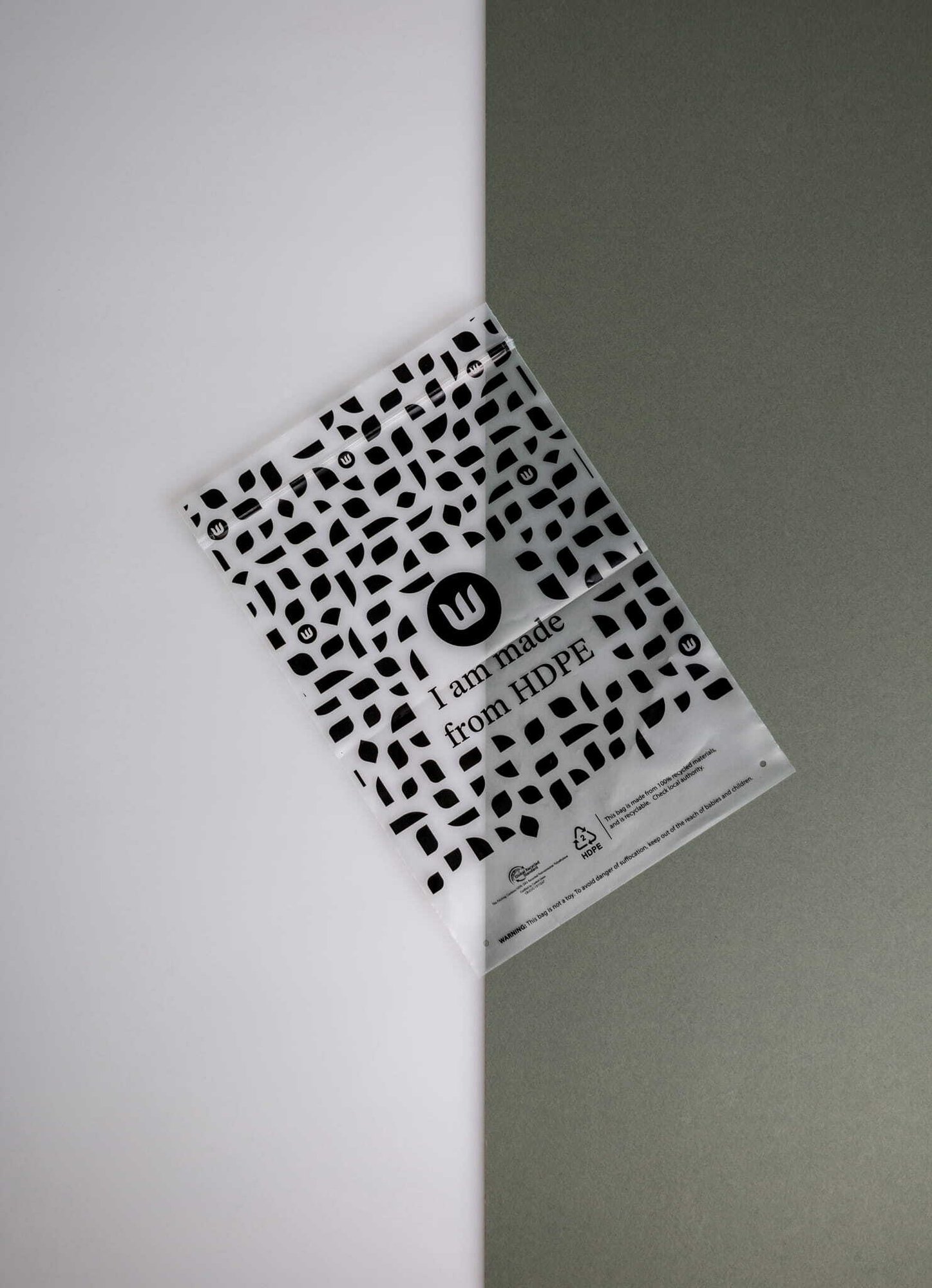
Weavabel HDPE polybag

Recycled HDPE

  • High-density polyethelene
  • Can be sourced from up to 100% pre/post-consumer plastic waste, this material provides more strength than LDPE, with the option to be translucent.
  • GRS certified & recyclable
  • Closure options: Adhesive strip, gripseal, ziplock.
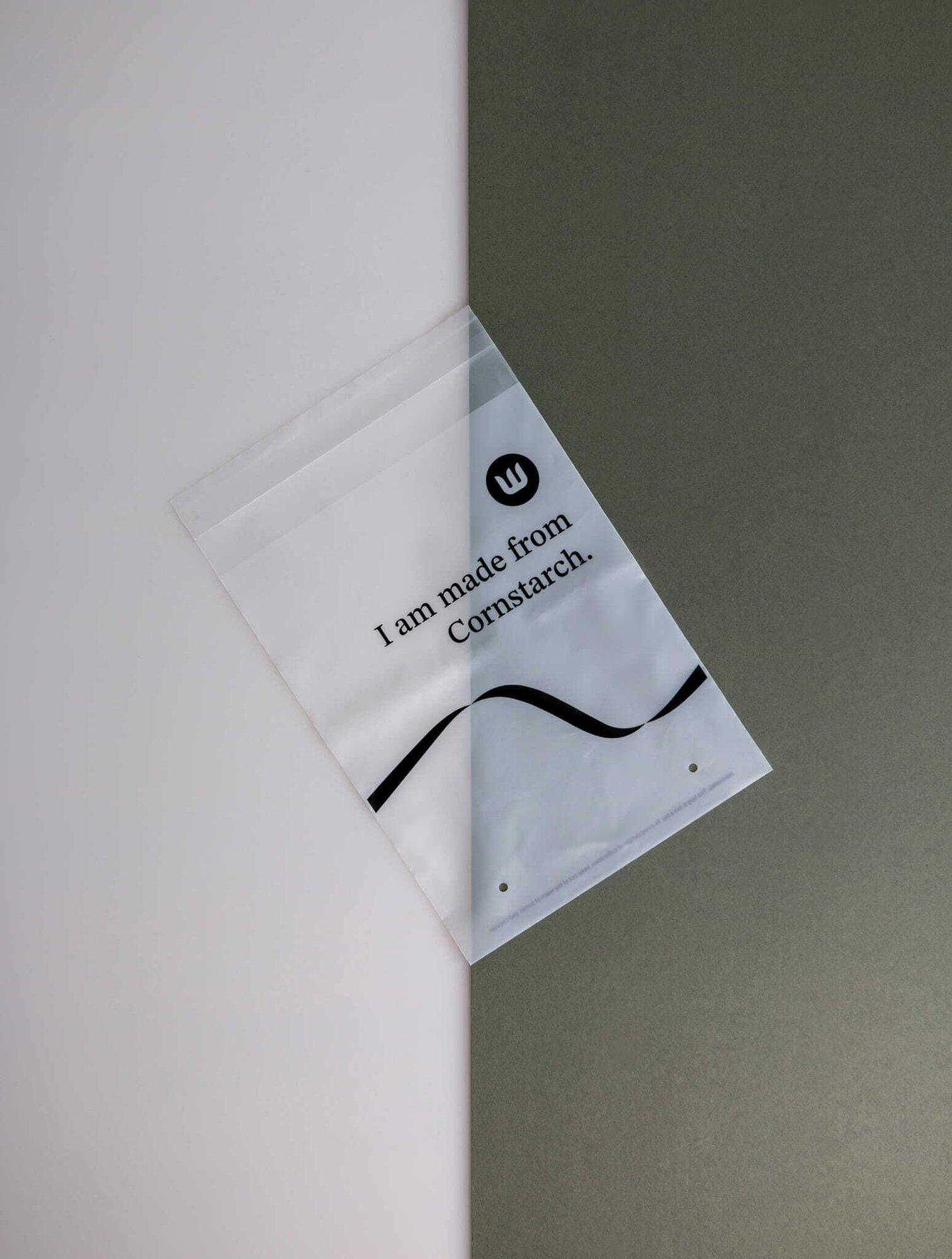
Weavabel Cornstarch polybag

Cornstarch

  • A bio-based alternative to traditional plastics made from materials such as cornstarch and PLA (polylactic acid), designed to be compostable.
  • Frosted, translucent, soft feel.
  • EN 13432 compliant OK compost certified
  • Closure options: Adhesive strip.
Weavabel cellulose polybag

Cellulose

  • Derived from tree cellulose pulp, either uncoated (plastic-free) or with a thin protective plastic coating, both available in various thicknesses.  
  • Biodegradable within 6-8 weeks.
  • Closure options: Adhesive strip
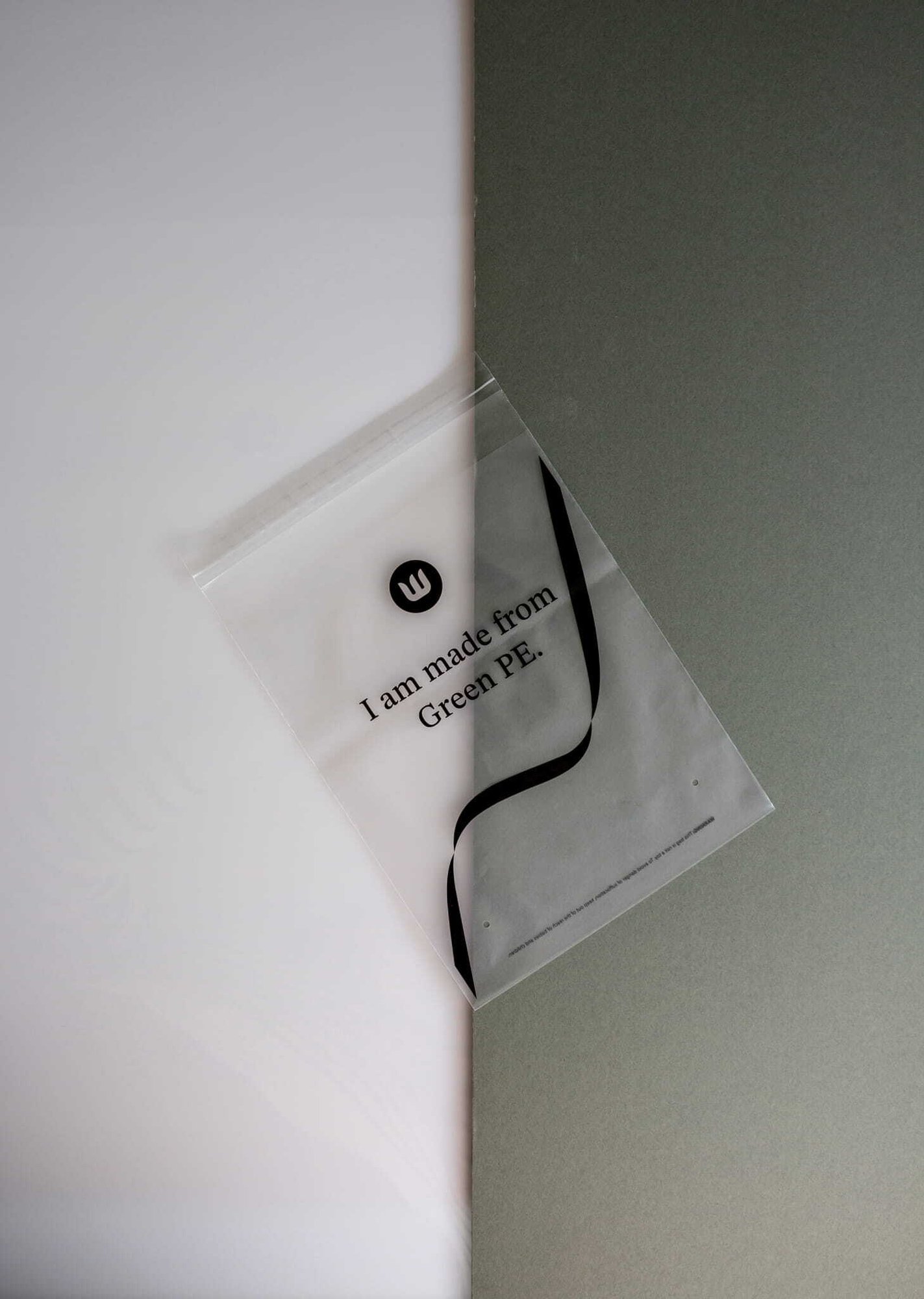
Weavabel Green PE polybag

Green PE

  • Bio-based polyethelene
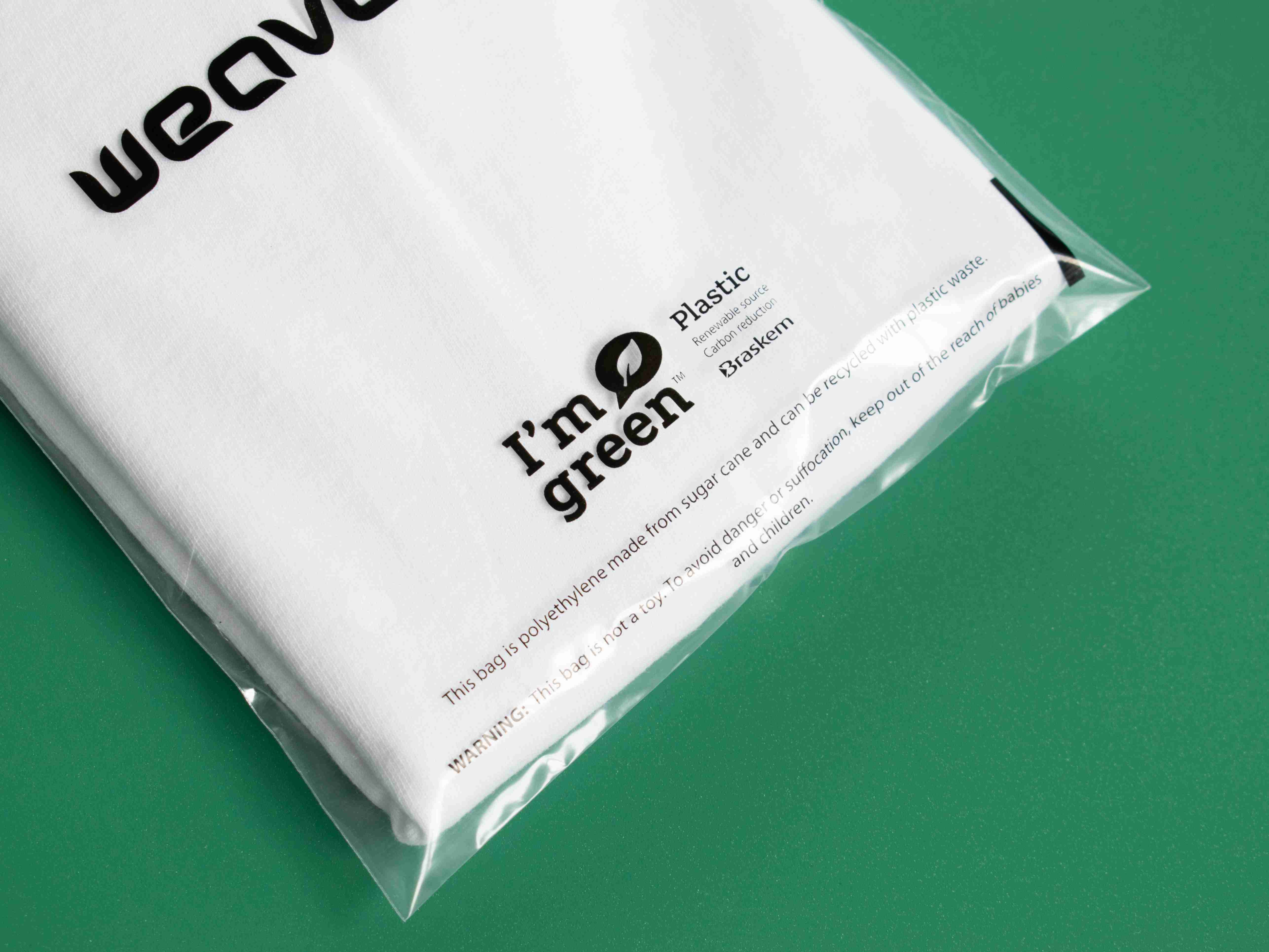
  • Made using sugarcane waste and is widely recyclable.
  • Closure options: Adhesive strip
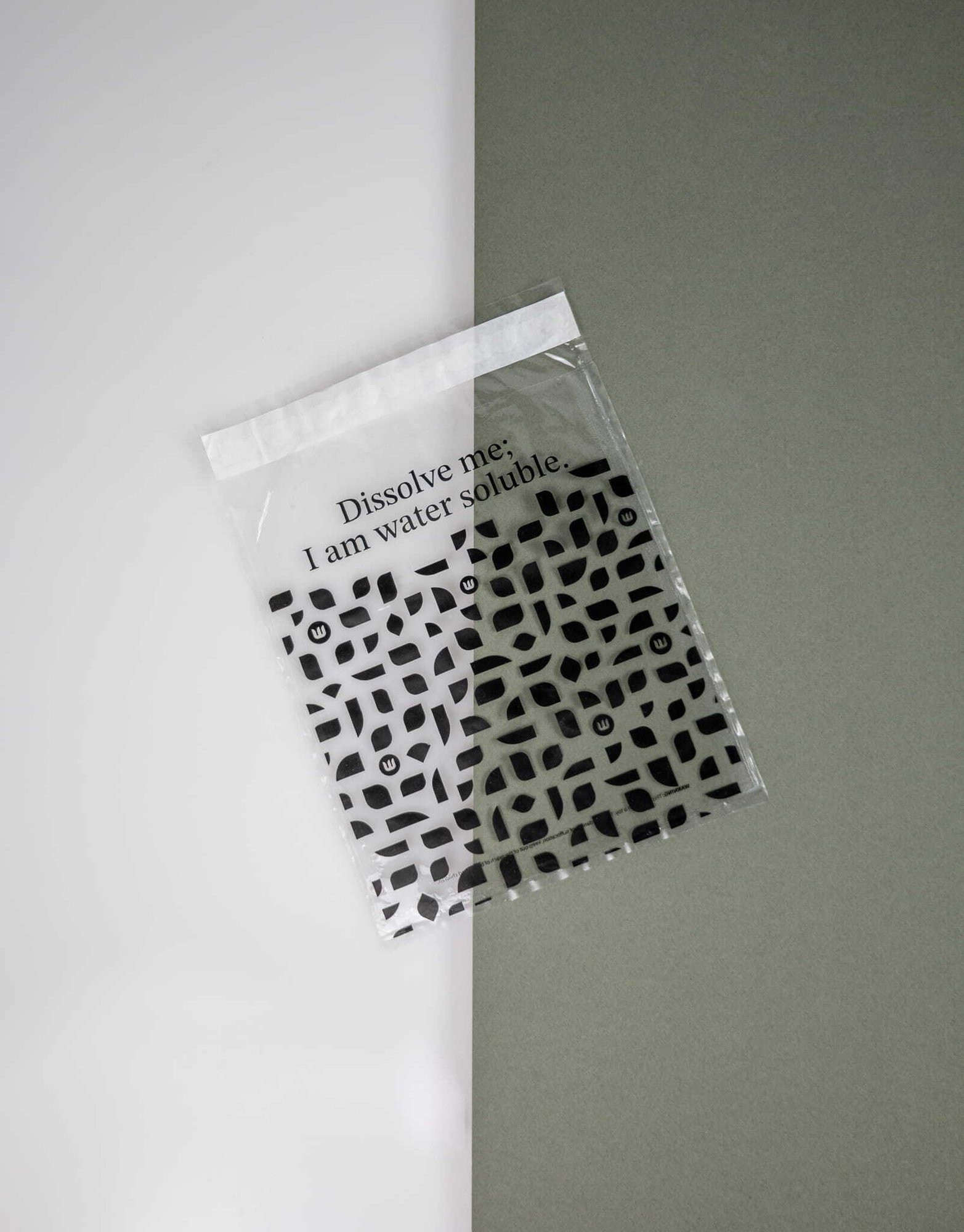
Weavabel water soluble polybag

Water soluble

  • Dissolvable in hot water
  • Marine safe
  • Non-toxic
  • Closure options: Adhesive strip

Keep your garments protected and on-brand. Speak to us about custom garment bags.

Customer favourites

Our poly bags are available in various shapes, sizes and materials to meet your needs. Here are some of our most popular products to inspire you.

Customer favourites
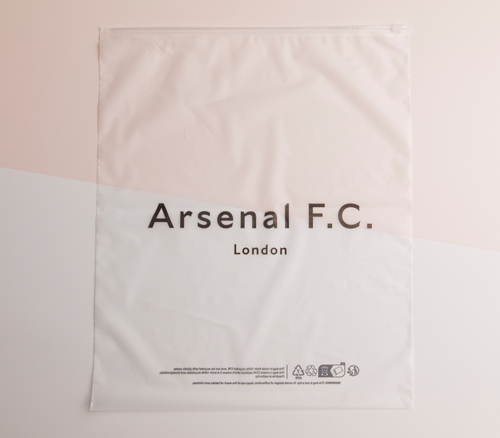
Arsenal FC Poly Bag
Aries Arise green polybag
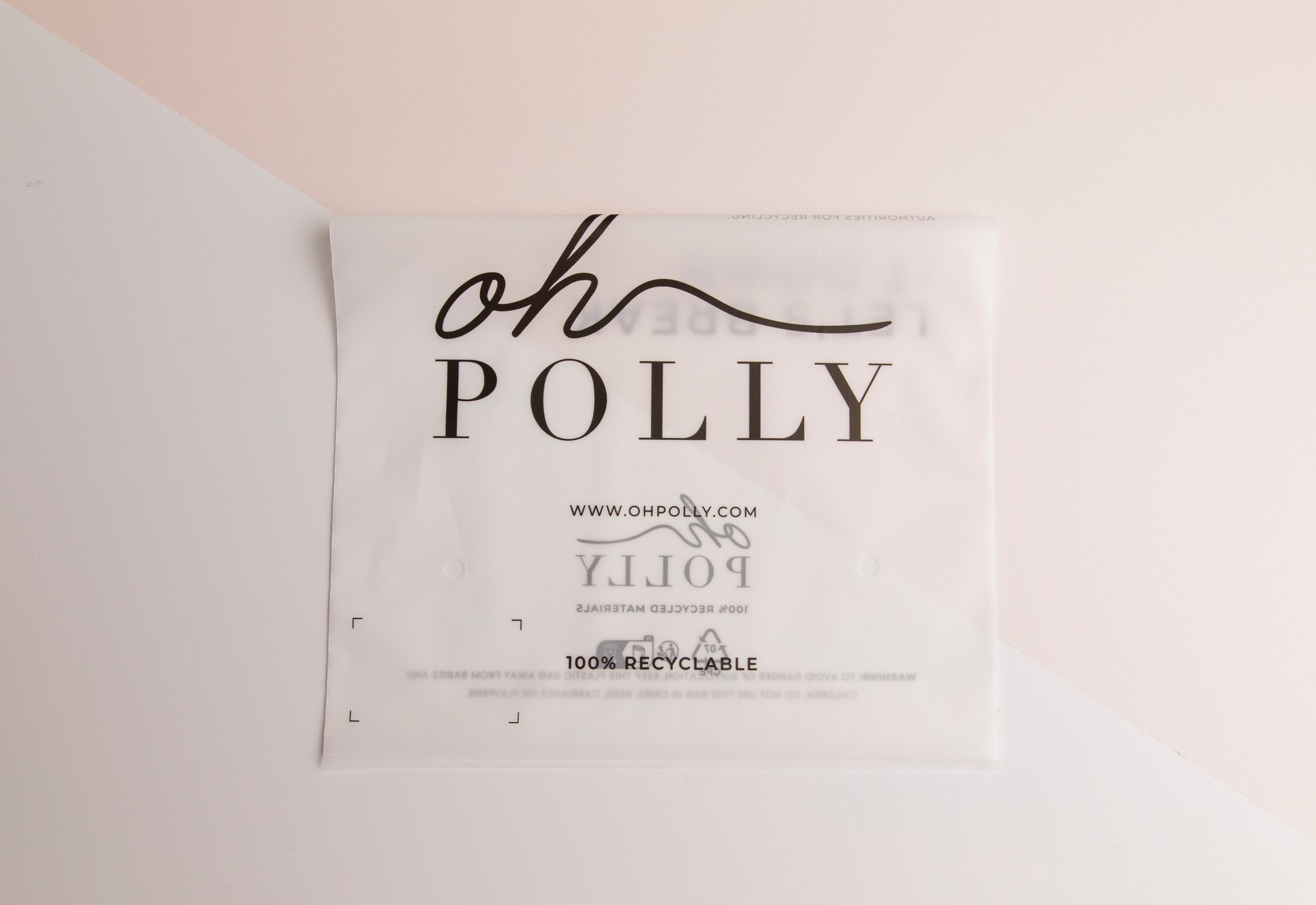
Lux Fashion Ladies Oh Polly Poly bag
Polybag options
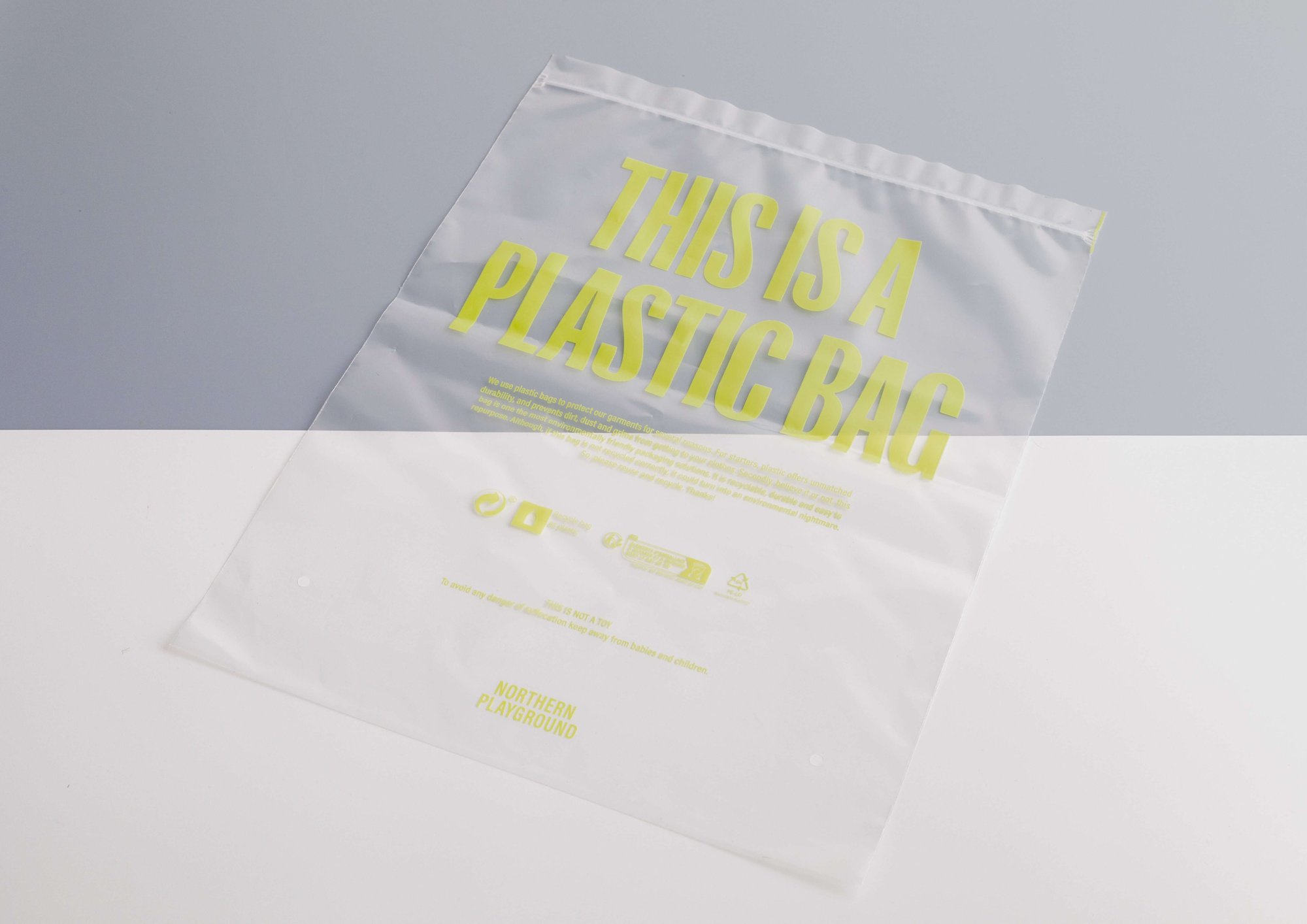
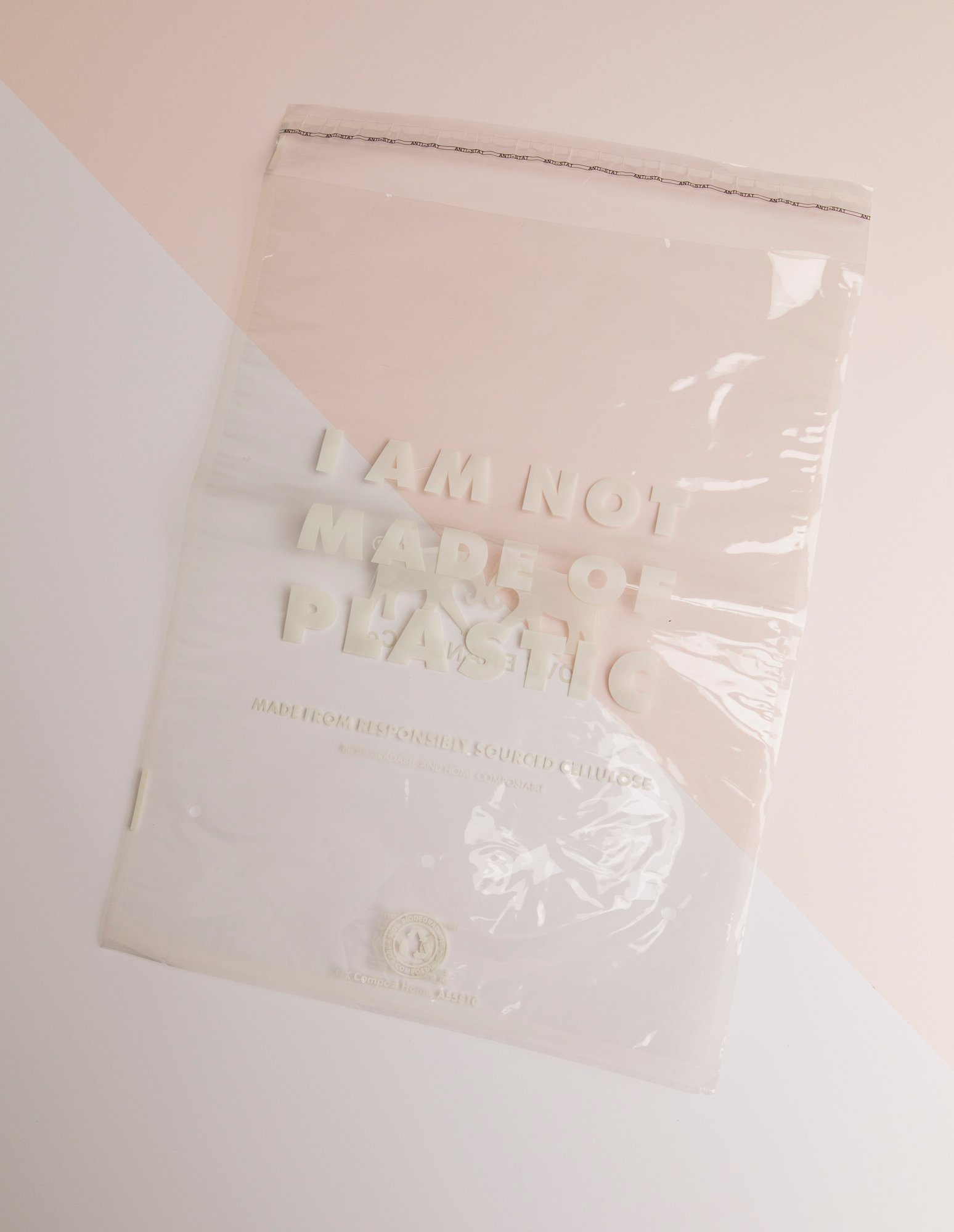
Polybag options - this is a plastic bag
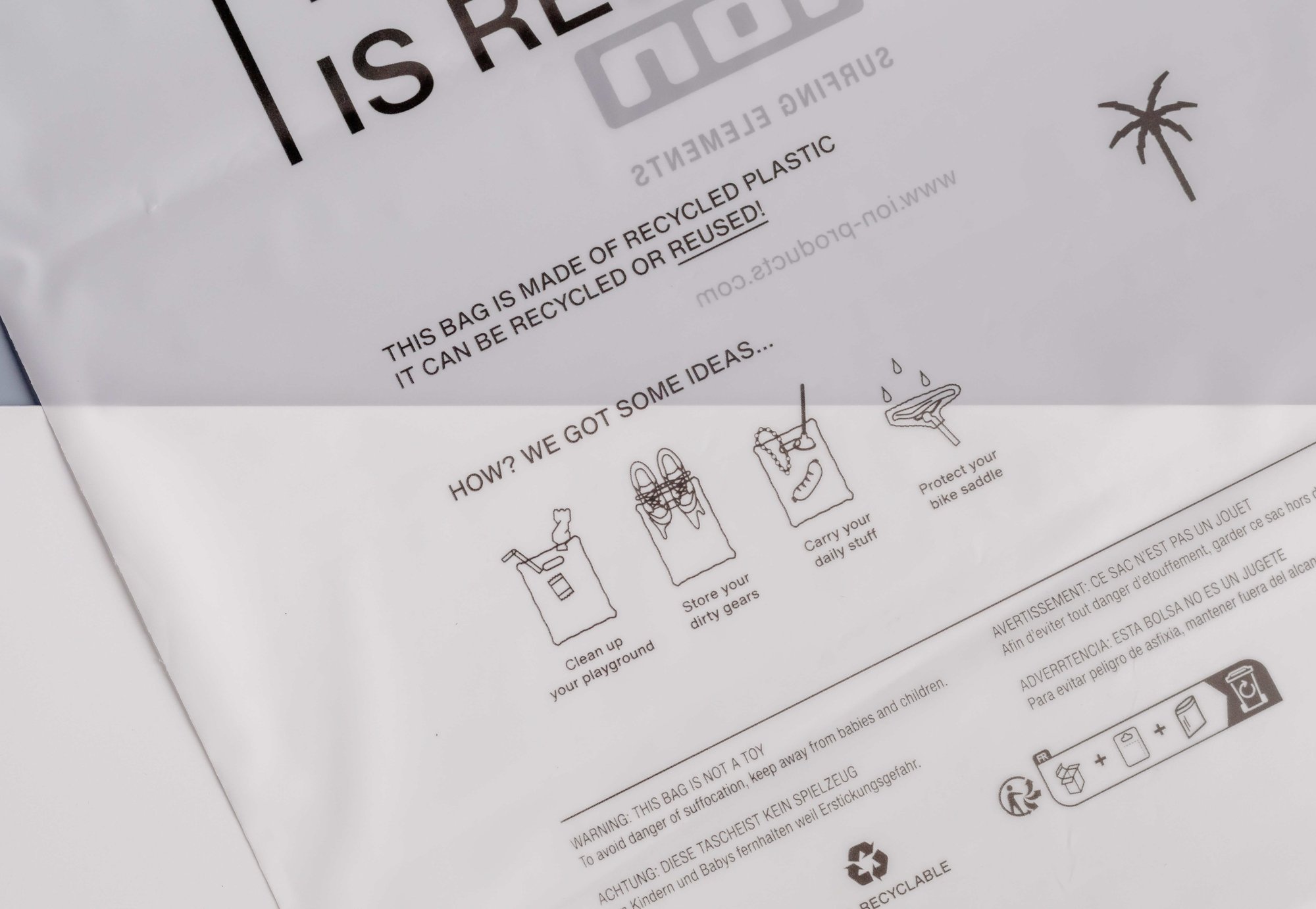
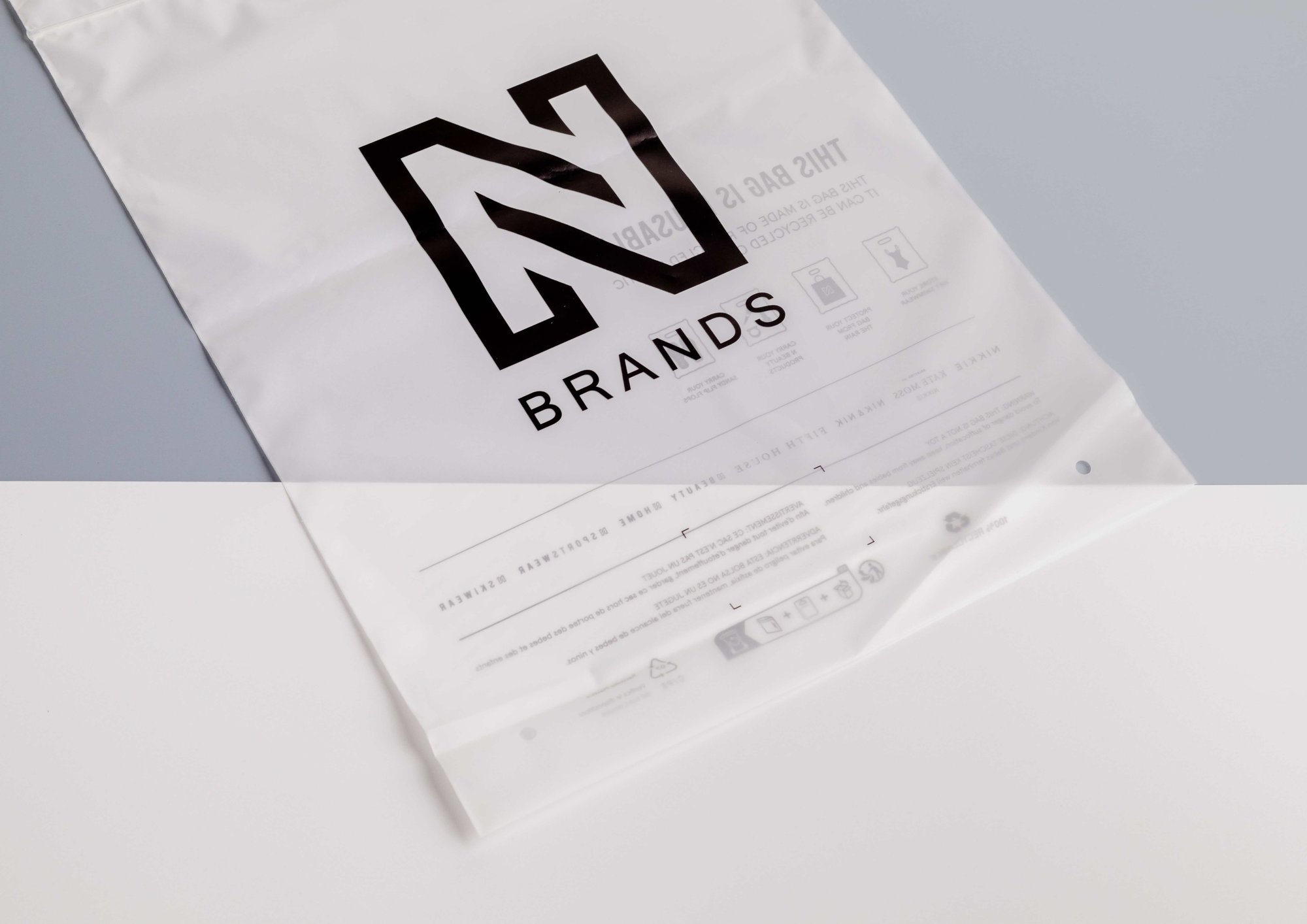
Polybag options N Brands
Polybag options Creo
Lux Fashion Love Brand Poly bag
The White Company polybag
Arsenal FC Poly Bag
Aries Arise green polybag
Lux Fashion Ladies Oh Polly Poly bag
Polybag options
Polybag options - this is a plastic bag
Polybag options N Brands
Polybag options Creo
Lux Fashion Love Brand Poly bag
The White Company polybag

Spruce: A plastic-free alternative

Want to go completely plastic-free? Our Spruce bags are the answer. Made from translucent glassine paper, Spruce bags are an alternative option to plastic made using pulp sourced from FSC-certified forests. With all the qualities of a plastic poly bag, it’s a sustainable alternative that you can rely on.

Download your poly bag Lookbook

Weavabel's circular poly bag loop


A practical system for real‑world supply chains

As packaging systems evolve, circularity is becoming central to how brands manage materials across their supply chains. Linear models are giving way to approaches designed for longevity and more responsible use.

Weavabel’s circular poly bag loop supports this shift by keeping packaging materials in circulation for longer. Built around real‑world supply chains, it enables circular thinking while maintaining the consistency and performance brands expect, integrating seamlessly into existing operations.

The poly bag recycling loop


Weavabel’s polybag recycling loop is a closed‑loop system that keeps polybag materials in circulation within real‑world fashion supply chains.


  • Poly bags are supplied to garment factories via Weavabel’s global warehouse network
  • Finished garments are packed and shipped to distribution centres
  • Poly bags are collected from stores and returned to  distribution centres alongside operational waste
  • Collected poly bags are sorted, baled and consolidated for recycling
  • Materials are processed, pelletised and used to manufacture new poly bag film
  • Recycled poly bags are reintroduced into the supply chain, closing the loop

Truly sustainable sourcing

A large portion of carbon emissions comes from the logistics in the supply chain. Our sustainable stitch-to-store sourcing model aims to minimise this impact.

With global distribution centres, we can ship your chosen labels directly to your vendor from the facility that’s closest to the destination. We’ll also handle all the stock management, so you have less to deal with.
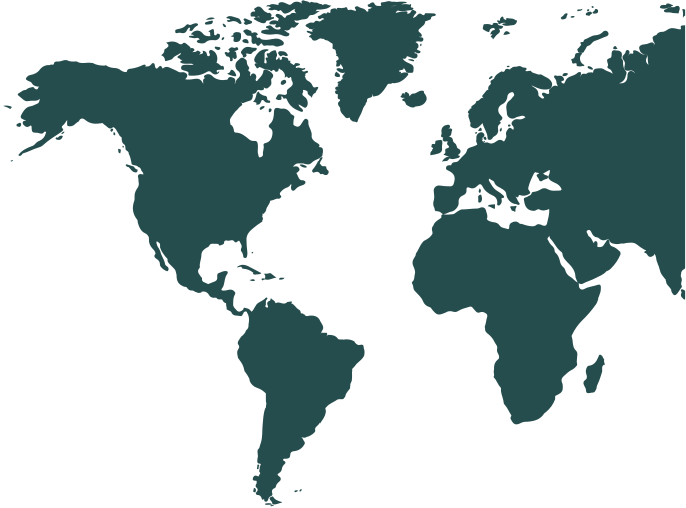
weave-map

Certifications

FSC
GOTS
SEDEX
OEKOTEX
UKFT
ISO 9001
ISO 14001
Higg-Index_Logo
Leather working group
Recycle blended
Recycled 100
GRS
Retraced

Why choose Weavabel?


Minimum stock value

Our minimum stockholding value is £10,000 annually. This can be set up across multiple currencies and for several locations.


Fast delivery

A quick turnaround of your stock, with lead times typically taking between two and four weeks.


Hassle-free orders

Simple repeat ordering through our stockholding site, making your products easily accessible.


Great communication

We’ll liaise all the finer details directly with your vendors, giving you one less thing to manage.

Have an enquiry?

We can help with that. If you have any questions about our services, lead times and costs, simply give us as much detail as you can and we’ll be in touch to discuss your requirements.

Webinar: Which poly bag is right for my brand?

Watch our latest webinar where we discuss different poly bag qualities as well as the latest innovative materials that promote sustainability.

Download our guide to poly bags

Frequently asked questions

What certifications do you offer?

We have a range of certified materials, including FSC, GOTS, GRS, Carbon Neutral and more. You can find out more about our certifications here.

What inks do you use for printing?

We predominantly use vegetable and soy-based inks rather than chemical-based inks. This may vary, so always discuss with your point of contact.

What production locations can you produce poly bags in?

India, the EU, China, Hong Kong and the UK.

What type of poly bag is best for my brand?

With so many sizes, styles and material options, it can be overwhelming to decide which will work best for you. Get in touch with us today and our experts can guide you.

What are the important logos and signs to look out for when choosing a polybag?

Mobius loop- Product is capable of being recycled but not necessarily accepted in all recycling collection systems.

Triman - Product can be recycled through household waste disposal sorting.

Standard EN - Products certified to be industrially compostable according to the European standard EN 13432/14955.

Resin codes - There are seven codes that identify the type of plastic resin used to make a product. They feature a ‘chasing arrows’ symbol with the ‘Resin Identification Code’ between one and seven.

PET - Polyethylene Terephthalate

HDPE - High-Density Polyethylene

PVC - Polyvinyl Chloride

LDPE - Low-Density Polyethylene

PP – Polypropylene

PS – Polystyrene

Miscellaneous - Polycarbonate, BPA and other plastics

CPE - Chlorinated polyethylene

AEVA - Ethylene Vinyl Acetate

What does all the terminology mean?

Biodegradable

Biodegradable plastics can be decomposed by living organisms — usually microbes — into water, carbon dioxide and biomass. These plastics are commonly produced with renewable raw materials, microorganisms, petrochemicals or a combination of all three.

Recycled and Recyclable

Plastics can be recycled through mechanical or chemical recycling. Mechanical recycling involves plastic being washed, ground and melted. Chemical recycling breaks plastic down into monomers to form new polymers that can be reused.

Compostable

Compostable plastics are derived from renewable materials such as corn, potato and tapioca starches, as well as cellulose, soy, protein and lactic acid. Compostable plastics and non-toxic and decompose into carbon dioxide, water and biomass.

Water soluble

This polymer is inherently biodegradable. Biodegradation has been observed by at least 20 different generaof bacteria and several yeasts and moulds which occur in activated sludge, compost, facultative ponds, landfills, anaerobic digesters and septic systems and in natural soil and aquatic environments. Sturm (aquatic) biodegradation tests show that the formulations degrade in the presence of activated sewage sludge at a similar rate to cellulose.