Existing customers



Unique branding elements
5 min read time
In a crowded apparel market, great design alone is not enough. Today’s consumers are looking for...

Limitless creations, materials and finishes
Achieve sustainability goals with eco-friendly options
Working with brands in every industry
Pushing for a better planet
Get up to date with the latest insights
.png)
In today’s apparel industry, custom labels and eco-friendly tags are no longer finishing touches. They are strategic components of brand identity, regulatory compliance and environmental responsibility.
Key takeaways
From woven brand labels to FSC certified swing tags, clothing brands require specialist partners who understand materials, legislation and sustainability standards.
But who actually provides custom labels and eco-friendly tags for clothing brands, and what should you look for in a supplier?
This guide explores the role of dedicated trim manufacturers, the certifications that matter, and how to ensure your labels align with both brand values and global compliance requirements.
Clothing labels serve multiple essential functions:
They also support compliance with textile regulations in the UK and EU. Fibre composition labelling is mandatory, and inaccuracies can lead to penalties, product recalls and reputational damage.
Beyond compliance, sustainability is a growing consumer expectation. According to the UK Fashion and Textile Association (UKFT), sustainability continues to be a major driver in fashion purchasing decisions, particularly among younger demographics.
Labels and tags are often the first physical proof of a brand’s environmental commitment.
A specialist label manufacturer will offer a wide portfolio of trims tailored to garment type, market positioning and sustainability objectives.
Woven labels
Printed fabric labels
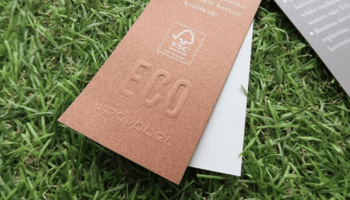
Eco-friendly swing tags
The key is not just offering these options but ensuring they are certified and traceable.



Clothing brands usually work with specialist trim manufacturers rather than general printers or packaging companies.
A dedicated clothing label supplier understands:
Unlike standard print providers, specialist manufacturers focus exclusively on apparel branding components, ensuring both technical performance and brand consistency.
Sustainability claims must be backed by recognised certifications and transparent processes.
When evaluating who provides custom labels and eco-friendly tags for clothing brands, look for evidence of third-party verification.
Key certifications and standards
According to FSC, more than 150 million hectares of forest worldwide are certified under FSC standards, ensuring responsible forest management and biodiversity protection.
OEKO-TEX reports that over 35,000 companies globally are certified to Standard 100, confirming textiles are tested for harmful substances.
GRS certification verifies recycled content and responsible social and environmental practices throughout the supply chain. This is particularly relevant for recycled polyester woven labels and recycled packaging trims.
ISO 14001 helps organisations reduce waste and improve environmental performance through structured management systems.
These certifications demonstrate that sustainability is embedded in operations rather than used as a marketing claim.
In addition to sustainability, regulatory compliance is critical.
The introduction of PPWR (Packaging and Packaging Waste Regulation) across the European Union is increasing scrutiny on packaging materials, recyclability and waste reduction. While labels may be small components, swing tags and packaging trims fall within the wider packaging ecosystem.
Brands must consider:
Accurate fibre labelling remains mandatory under UK and EU textile regulations. A knowledgeable label supplier will guide brands on:
Getting this wrong is not simply a design issue. It is a compliance risk.
Environmental, Social and Governance reporting is becoming standard across fashion businesses of all sizes.
The Higg Index, developed by the Sustainable Apparel Coalition, provides a framework for measuring environmental and social impacts across the value chain. Material choices in labels and trims contribute to a brand’s overall impact score.
Sedex, a global supply chain data platform, supports ethical sourcing transparency. Partnering with suppliers who are Sedex members enhances visibility into labour and ethical practices.
Small changes, such as switching from virgin polyester to GRS-certified recycled polyester labels, can reduce reliance on fossil fuel-derived materials and contribute to circular economy targets.
Today’s consumers are more informed and more sceptical of unverified claims.
Displaying recognised certifications such as FSC or OEKO-TEX® on swing tags builds credibility. According to research from certification bodies, recognised third-party marks significantly improve consumer trust in sustainability messaging.
Clear labelling also reduces returns caused by care misunderstandings. Care instructions, when accurately displayed, extend garment lifespan, which directly supports waste reduction efforts.
The UK government has reported that hundreds of thousands of tonnes of textiles are discarded annually. While labels represent a small proportion by weight, durability and clarity in labelling contribute to garment longevity and circular design principles.
Sustainable labelling continues to evolve.
Emerging innovations include:
Forward-thinking trim manufacturers invest in research and material innovation to help brands stay ahead of regulatory and consumer expectations.
When assessing who provides custom labels and eco-friendly tags for clothing brands, consider the following:
A credible supplier should answer these questions transparently and confidently.
Custom labels and eco-friendly tags require technical expertise, sustainable sourcing knowledge and compliance understanding.
A specialist trim partner supports brands by:
In a competitive market, every detail communicates brand values. Labels are often the first and last thing a customer sees.
Choosing the right provider ensures that those details reflect quality, responsibility and credibility.
As a specialist trim manufacturer, Weavabel provides custom labels and eco-friendly tags for clothing brands with a strong focus on certified sustainability, compliance and innovation.
Weavabel works with FSC certified papers, GRS recycled yarns and OEKO-TEX® approved materials, supporting brands that want traceable, responsible labelling solutions.
With experience in UK and EU textile compliance, environmental management principles aligned with ISO 14001, and a commitment to reducing environmental impact through material innovation and mono-material design, Weavabel helps fashion brands future-proof their labelling strategies.
From woven labels and printed care labels to sustainable swing tags and packaging trims, Weavabel delivers solutions that combine technical performance with measurable sustainability credentials.


.png?width=400&height=200&name=Feature%20%20image%20(1).png)