Existing customers


Who provides labels and tags
4 min read time
In today’s apparel industry, custom labels and eco-friendly tags are no longer finishing touches....

Limitless creations, materials and finishes
Achieve sustainability goals with eco-friendly options
Working with brands in every industry
Pushing for a better planet
Get up to date with the latest insights
.png)
In a crowded apparel market, great design alone is not enough. Today’s consumers are looking for brands that feel considered, responsible and memorable. The details matter. From custom woven labels and swing tags to packaging and compliance messaging, your branding elements shape how your garments are perceived long after the first purchase.
Key takeaways
If you are asking, “How can I enhance my clothing brand with unique branding elements?”, the answer lies in aligning creativity, quality and transparency across every touchpoint.
Below, we explore how to build distinctive, high-impact branding that strengthens identity, builds trust and supports compliance.
The global fashion market is highly competitive, and differentiation is essential. According to UKFT (UK Fashion and Textile Association), the UK fashion and textile industry contributes billions to the UK economy each year and supports hundreds of thousands of jobs. With so many brands competing for attention, clear and consistent branding is vital.
At the same time, consumer expectations are shifting:
For example, the Higg Index, developed by Cascale (formerly the Sustainable Apparel Coalition), provides tools to measure environmental and social impacts across the supply chain. This reflects a wider industry shift towards measurable responsibility.
Your woven label is often the most permanent part of your branding. It sits inside the garment and remains there for its entire lifecycle.

Enhance your brand with:
If you are working with recycled materials, consider certification alignment. The Global Recycled Standard (GRS) verifies recycled content and responsible social and environmental practices across production. According to Textile Exchange, the use of recycled fibres has increased significantly in recent years as brands respond to demand for circularity.
By aligning your woven labels with certified materials, you strengthen both your environmental positioning and brand credibility.
Minimalist interior branding is a growing trend, particularly in sportswear and premium basics. Printed labels and heat transfers offer:
When using printed elements, ensure compliance with OEKO-TEX® Standard 100. OEKO-TEX® certifies that textiles are tested for harmful substances and are safe for human use. This is particularly important for children’s wear and next-to-skin garments.
Integrating safety and certification messaging subtly into your branding builds trust without overwhelming your design.
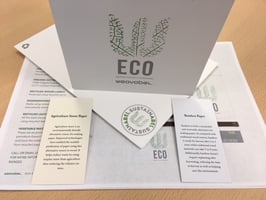
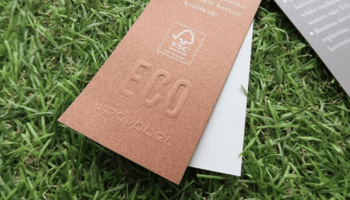
Swing tags are not just for pricing. They are an opportunity to communicate values, craftsmanship and care.
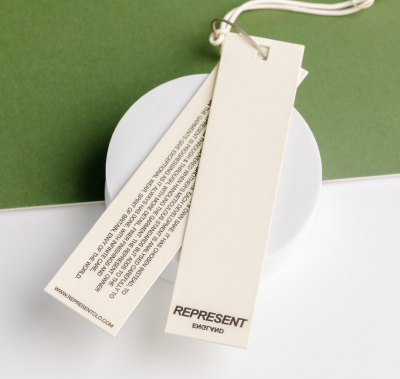
Consider incorporating:
FSC (Forest Stewardship Council) certified paper for swing tags demonstrates responsible sourcing. FSC certification ensures that materials come from responsibly managed forests. This is increasingly relevant as the EU advances regulations such as PPWR (Packaging and Packaging Waste Regulation), aimed at reducing packaging waste and improving sustainability standards.
Thoughtfully designed swing tags can transform a simple garment into a branded experience.
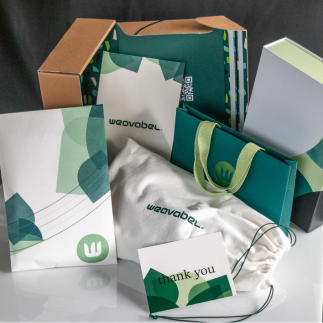
Packaging is often the first physical interaction a customer has with your brand, particularly in e-commerce.
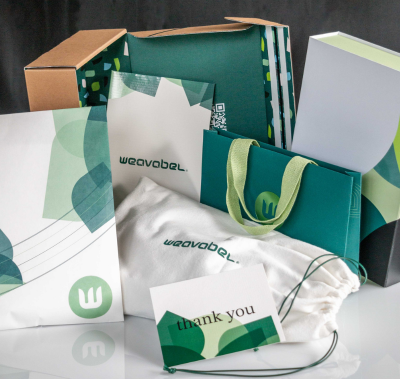
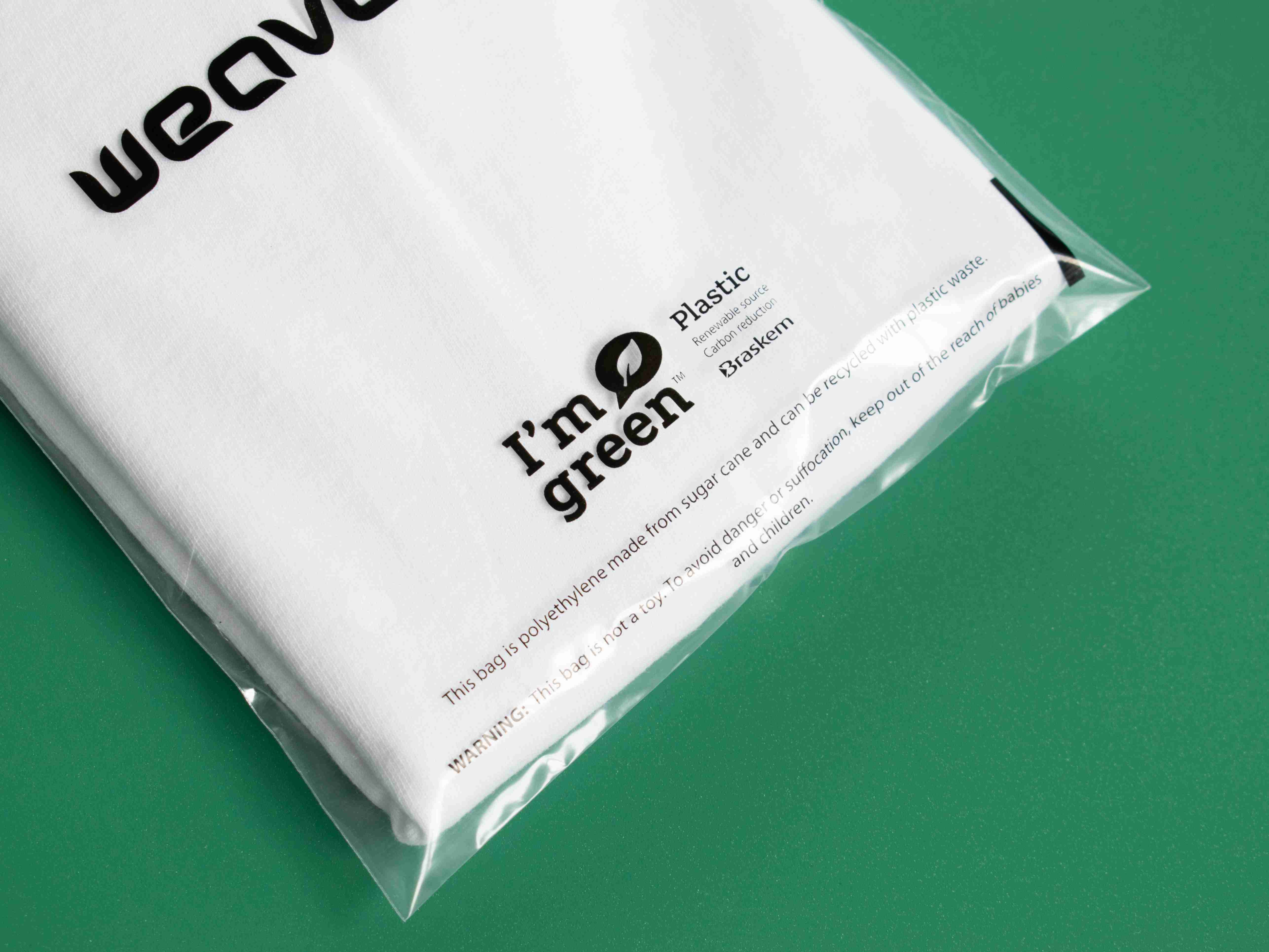
To enhance your clothing brand with unique packaging:
According to the UK Government’s Resources and Waste Strategy, businesses are expected to take greater responsibility for the lifecycle of packaging. This makes sustainable packaging not just desirable but increasingly essential.
By aligning packaging aesthetics with environmental responsibility, you reinforce your brand’s integrity.
Brand enhancement is not just about appearance. Compliance builds trust.
Key considerations include:
ISO (International Organization for Standardization) standards provide frameworks for quality management and environmental management systems, such as ISO 9001 and ISO 14001. Brands that align with internationally recognised standards demonstrate operational credibility.
Clear, well-designed compliance labels can:
Rather than hiding compliance information, integrate it seamlessly into your design language.
Creating exclusivity can elevate perceived value.
You might consider:
These limited-run elements encourage collectability and reinforce brand personality.
Digital integration for traceability and engagement
Unique branding elements are no longer purely physical. Digital integration enhances customer engagement and transparency.
Options include:
Sedex, one of the world’s leading ethical trade membership organisations, promotes supply chain transparency and responsible sourcing. Referencing your ethical commitments via digital labelling helps communicate alignment with recognised frameworks.
This approach is particularly powerful for premium and sustainability-focused brands.
Brand perception is strongly influenced by touch.
Enhance your clothing brand with:
These subtle details communicate quality without excessive cost. They also create a sensory brand experience that strengthens recall.
True brand enhancement comes from consistency.
Ensure alignment across:
A cohesive visual identity builds recognition and loyalty. According to research from the UK Intellectual Property Office, strong brand identity contributes to long-term business value and consumer trust.
Consistency does not mean uniformity. It means every element feels connected to your core identity.
Sustainability is no longer a niche concern. It is a market expectation.
To enhance your clothing brand responsibly:
The Ellen MacArthur Foundation reports that extending the life of clothing by just 9 months can reduce carbon, water and waste footprints by around 20% to 30%. Designing durable branding elements supports longer garment life and reduces waste.
Sustainable branding is not just about materials. It is about longevity, transparency and honesty.
Enhancing your clothing brand with unique branding elements requires expertise across:
A specialist partner can help you:
This ensures your branding is not only distinctive but also commercially viable and compliant.
To enhance your clothing brand with unique branding elements, think beyond logos.
Focus on:
When every element is considered, your brand becomes more than clothing. It becomes an experience built on quality, responsibility and trust.
In a market shaped by transparency, regulation and rising consumer expectations, unique branding is not optional. It is strategic.
At Weavabel, we understand that branding is more than a label stitched into a seam. It is the physical expression of your values, your standards and your ambition as a clothing brand.
We combine technical expertise with creative precision to deliver woven labels, printed labels, swing tags and packaging that elevate your garments while meeting evolving compliance and sustainability requirements. From certified recycled yarns and FSC-certified papers to guidance around fibre labelling and regulatory frameworks, we help ensure your branding is not only distinctive, but responsible and future-ready.
Our team works closely with brands at every stage — from emerging designers to established retailers — providing tailored solutions that balance quality, cost efficiency and scalability. Whether you are launching a new collection, refreshing your identity or aligning with stricter environmental standards, we make the process seamless.
With Weavabel, you gain more than a supplier. You gain a specialist partner dedicated to helping your brand stand out, stay compliant and build long-term trust.
If you are ready to enhance your clothing brand with unique, sustainable and high-impact branding elements, our team is here to help you bring every detail to life.


.png?width=400&height=200&name=Feature%20%20image%20(2).png)