Existing customers



E-commerce Packaging Trends That Can Increase Online Orders
3 min read time
In 2021, e-commerce revenue in the UK reached £129 billion, up 15% from 2020, with 64% of online...

Limitless creations, materials and finishes
Achieve sustainability goals with eco-friendly options
Working with brands in every industry
Pushing for a better planet
Get up to date with the latest insights

Key Takeaways:
Retailers can meet growing consumer demand for sustainability by going paperless, replacing plastic bags with biodegradable or reusable options, adopting eco-friendly decor and packaging, and upgrading stores with energy- and water-saving fixtures. Launching an eco product range using materials such as recycled fibres, organic cotton, sustainable paper, vegetable-based inks, and recycled leather demonstrates a commitment to sustainability and environmental responsibility while reducing waste and costs. Real brand examples (Zara, Gucci, Seasalt) highlight viable packaging shifts, and a Packaging Innovation Toolkit is available to help you get started.
Sustainability has always been somewhat of a niche approach in retail. More and more retailers are beginning to take on certain initiatives to lessen their environmental impact. It’s just what consumers want, as studies have shown that 87% of people will buy from businesses that advocate for social and environmental responsibility.
To keep up with this increasing demand and do your part in helping the environment, here are some amazing sustainable practices in retail that you can implement right away.
Retailers consume a lot of paper, and one of the easiest ways to cut back right away is to start emailing receipts. It’s a double-win as your business saves valuable resources and your customers don’t have to store lots of papers in their handbags or pockets. Everything they need is digital.
It’s estimated that 250 million gallons of oil, 10 million trees and one billion gallons of water are used to create receipts each year. The scary part? That’s just in the US alone. Imagine the wasted resources when you bring other countries and millions of other retailers into the conversation.
Eliminating paper receipts will reduce your carbon footprint, and it also means that receipts won’t be discarded as waste.
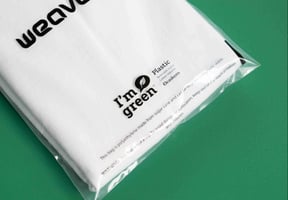
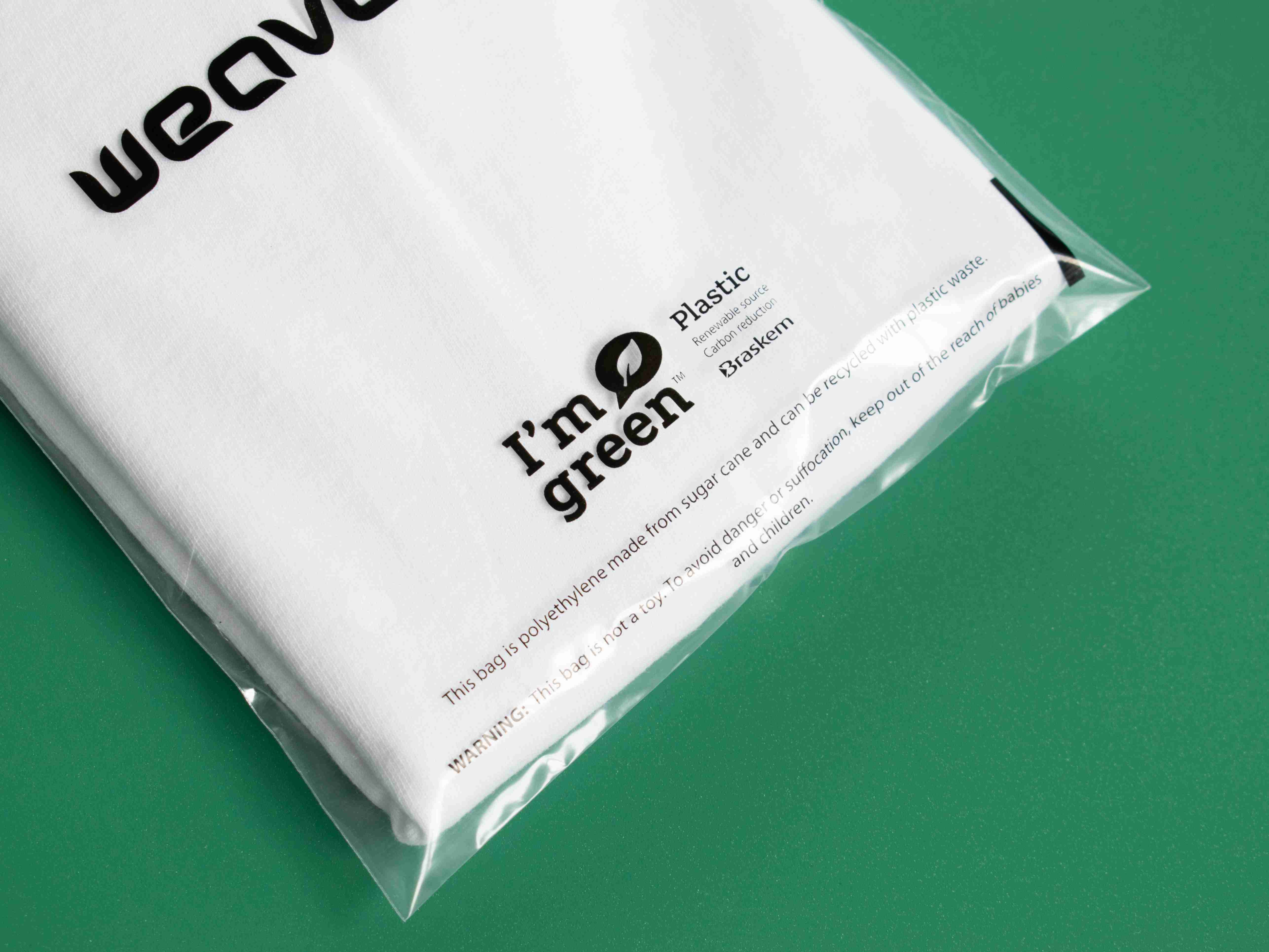
Plastic bags can take anywhere from 15 years to 1,000 years to decompose, meaning they cause lasting damage to the environment. Retailers and supermarkets are taking great strides to make sure we all eliminate the use of single-use plastic bags. To play your part, ditch the plastic options and look for reusable, biodegradable or compostable alternatives.
Some of the benefits of using eco-friendly bags include:
Swap the plastic bags for environmentally friendly ones to show that you’re doing your part to reduce plastic pollution.
It’s never been easier to find eco-friendly products when revamping your retail store’s decor. Here are some of the green alternatives you can add to your store to significantly reduce your carbon footprint.
If you need some wood furniture in your retail store, then look for the FSC certification. By buying furniture with this stamp, you can guarantee that it’s been made from wood that was harvested according to the FSC principles. It means it’s a lot better for the environment than standard furniture.
If you redecorate your retail store to make it environmentally friendly, don’t overlook the paint. Some paints contain high levels of volatile organic compounds (VOCs). These can release toxic emissions into the air for years. It’s harmful to the planet and anyone who breathes this in. So, pick up a tin which features low levels of VOCs.
Bring some houseplants into your retail store as they breathe in carbon dioxide and convert it to oxygen. They also soak up a lot of harmful pollutants and toxins to purify the air. It might be a simple addition, but it’s a big way of boosting your green credentials inside your store.
Take a leaf out of what some of the biggest names in the industry are doing right now and switch to eco-friendly packaging. David Attenborough’s Blue Planet programme has already given consumers insight into how plastic pollution is degrading wildlife and ecosystems, but retail stores can still play a part in fixing this.
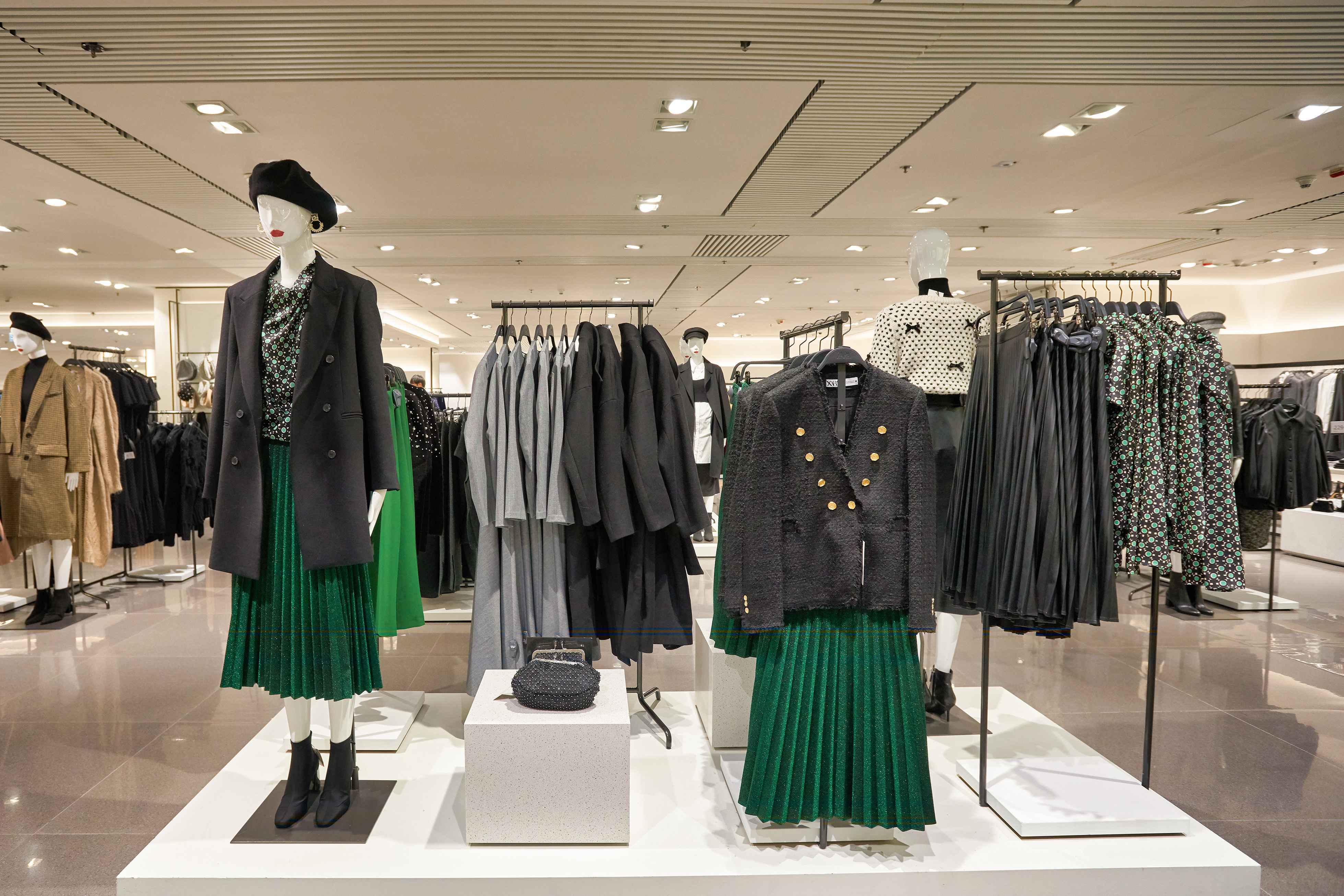
Research has shown that 92% of consumers would choose paper-based packaging over plastic-based - so the demand is there. While zero packaging isn’t realistic right now, here are a few big-name examples that can inspire your retail store to do the same.
Find out more in this blog about big brands that have embraced eco-friendly manufacturing and packaging solutions.
Take your retail store up a level when it comes to going green. Think about making some upgrades that will have a positive environmental impact on your business, such as:
They’re kinder to the environment, your customers will love the new additions, and it’s also a big money-saver in the long run.
Sometimes, your green efforts and involvement in sustainable initiatives might go unnoticed if you don’t publicise your involvement. The biggest and most noticeable way to do that is by launching your very own eco range to promote it all.
Think about products like swing tickets, woven labels, packaging and more. All of these can be made in a sustainable way if you work with a supplier that’s equally as enthusiastic about having a positive impact on the environment.
To see just how far sustainable materials have come in fashion and how you can take advantage, here are a few examples of what your brand can benefit from.
And these are just some of the many sustainable materials you can use to launch your brand’s eco range. You’ll impress your customers, meet their demands and also play your role in helping save the planet.
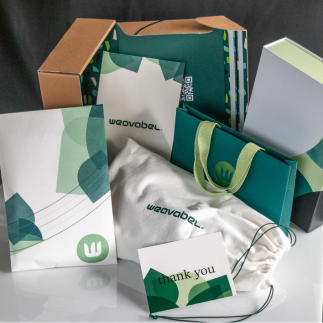
Packaging is a big part of your retail business, which is why you must consider sustainability in this area. If you want to transform your packaging offering or simply want to give it a sustainable refresh, we have the resource for you. Our Packaging Innovation Toolkit contains all the resources you need to discover sustainable branded packaging options that will work for you. Download now to get started.
Question: Why should retailers go paperless with receipts, and what does it involve?
Short answer: Going paperless cuts waste, lowers your carbon footprint, and improves customer convenience. Paper receipts consume vast resources each year (hundreds of millions of gallons of oil, millions of trees, and billions of gallons of water in the US alone). Emailing receipts is a simple first step that saves materials, prevents discarded paper waste, and gives customers a tidy digital record instead of slips that get lost or trashed.
Question: Which bag alternatives should we offer instead of single-use plastic, and what are the benefits?
Short answer: Switch to reusable, biodegradable, or compostable bags. Benefits include:
Question: What in-store changes (decor and fixtures) can quickly reduce our environmental impact?
Short answer: Combine eco-friendly decor choices with energy- and water-saving upgrades:
Question: How can we make our packaging more sustainable without compromising brand image?
Short answer: Consumers strongly prefer paper-based over plastic-based packaging, so shift toward recyclable, certified paper and reusable components. Real-world examples show it works:
Question: What does launching an eco product range involve, and which materials should we consider?
Short answer: An eco range showcases your sustainability commitment and can reduce waste and costs. Work with a like-minded supplier to create items such as swing tickets, woven labels, and packaging using: