Summary
Barbour exemplifies a modern, democratic form of luxury grounded in heritage, craftsmanship, durability and circular care rather than conspicuous branding. Its mid-tier price point is balanced by quality, consistency in design and long-term value through services like re-waxing, Re-Loved, and the Wax for Life campaign. Collaborations, personalisation, and cultural relevance keep the brand resonant with Millennials and Gen Z. The conclusion: Barbour is luxury in a quiet, sustainable, and accessible sense.
For over a century, Barbour has been an instantly recognisable British brand that’s got a luxury status for a reason. Known for its outerwear, waxed and quilted jackets, most wardrobes in the UK might feature at least one Barbour item, valued for durability and sustainable care practices like re-waxing.
But is Barbour a luxury brand? What does it mean to be a luxury brand? We answer precisely that.
Barbour and Luxury: The Home of the Iconic Waxed Jacket
Rooted in a countrywear background, Barbour is perhaps most famous for one product in particular — its signature waxed cotton jackets. Crafted with attention to detail and built to last, these jackets have been made for more than a century and are instantly recognisable worldwide. This longevity reflects a circular approach to product care.
Does that automatically give the brand luxury status? Or is this earned through other characteristics?
The history
The success of modern-day Barbour is deeply tied to its heritage. Founded in 1894 in South Shields, the brand is now over 130 years old. Initially producing outerwear for sailors, fishermen and motorcyclists, Barbour evolved into a lifestyle powerhouse, catering to rural life and urban fashion alike.
This unique blend of aristocratic endorsement and street-level popularity makes Barbour a rare example of democratic luxury — aspirational, yet accessible.
In the latter half of the 19th century and into the 21st, Barbour received two Royal Warrants, has shown at London Fashion Week and became a staple brand for celebrities and the general public.
Because of this heritage, history and iconic status, Barbour can be considered a luxury brand that’s still attainable for the everyday customer.
The product
The Barbour product catalogue is now the most extensive it’s ever been. From menswear, womenswear and childrenswear to footwear, bags and accessories, quality craftsmanship remains a top priority.
Despite catering to younger audiences through trend-focused collections, Barbour retains its distinctive design language — garments today still reflect the durability and aesthetic of its original offerings.
This sense of consistency in both design and materials is key to the brand’s perception of luxury. Unlike fast fashion, Barbour jackets are made to be reworn, re-waxed and even passed down through generations. A sustainable, circular alternative to disposable trends.
The price point
Price point is one of the main attributes of whether a brand is perceived as luxury. For Barbour, the price point sits in the middle ground — more expensive than fast fashion, yet cheaper than other luxury competitors such as Belstaff.
Its waxed jackets will cost around £250 and up, shirts at £70 and a pair of boots can be up to £170. Although the price point is higher than most high-street brands, customers are paying for the brand's quality and heritage, giving it a luxury status that’s still affordable.

Barbour and the future consumer
Today’s consumers — especially Millennials and Gen Z — don’t just want style; they want substance. They seek brands that align with their values, including sustainability, quality and personalisation.
Sustainability
Perhaps the biggest crunch point for the next generation of consumers is sustainability, and Barbour doesn’t fall short with its initiatives.
Barbour has long championed its message of re-waxing, offering a re-waxing service and products to extend the lifespan of its jackets
In 2019, Barbour Re-Loved was introduced — where customers can return their old jackets to either be repaired or exchanged for a voucher towards a new one. Old jackets can be repaired and resold, with Selfridges carrying many of the brand's Re-Loved products.
In 2022, the brand won the Best Circularity Award from Drapers for its Wax for Life campaign — a campaign that highlighted its commitment to reusing and re-waxing jackets, encouraging customers to share their ‘wax stories’.
In 2025, sustainability is no longer optional for luxury brands — it’s expected. Barbour has embraced this shift with several forward-thinking initiatives.
Re-Waxing Services: Encouraging product longevity through regular re-waxing of jackets.
Barbour Re-Loved (launched in 2019): A circular initiative that allows customers to return old jackets for repair or resale, earning a voucher toward a new purchase.
Wax for Life Campaign: Winner of the Drapers Best Circularity Award (2022), this campaign promoted re-use and celebrated the stories behind each worn-in jacket.
By promoting circularity and repair over replacement, Barbour aligns with values increasingly associated with modern luxury — mindfulness, responsibility and authenticity.
Taking Barbour into the future
Barbour recognises that for success to be continued, it must tap into the desires of new consumers. To plug this gap, it has launched several collaborations and services that help it remain the luxury brand it is today.
The brand has collaborated with well-known celebrities, such as Alexa Chung, as well as fashion houses, such as House of Hackney, creating Re-Loved jackets produced using the cut-offs of their patterner materials.
More recently, Barbour has collaborated with Ganni, a brand known for its Gen-Z, sustainability and fashion-focused customers.
Barbour has also capitalised on the trend for personalisation, launching a customisation service that allows customers to embellish their jackets with personal trademarks. It also launched the Barbour Beacon range with a contemporary twist, appealing to younger audiences and keeping Barbour relevant among all generations.
Barbour has perfectly executed the balance between luxury, quality and history, forming a brand recognised and loved by many. From its branded bags to its famous wax jackets, the brand has luxury and quality at its core.
So, is Barbour a luxury brand?
Yes — but not in the traditional, logo-heavy sense. Barbour’s luxury lies in heritage, craftsmanship, sustainability, and cultural relevance. It’s a brand that’s managed to walk the line between old and new, premium and practical, style and sustainability.
Its jackets may not scream luxury — but they whisper it through durability, design, and timeless appeal.
Create your luxury experience
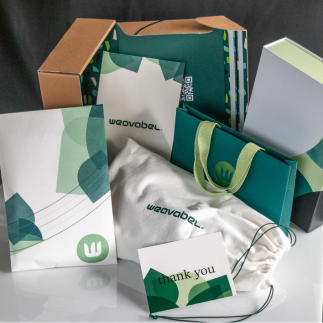
If you’re looking for ways to level up your brand’s luxury experience, you’ve come to the right place. At Weavabel, we’re experts in sustainable branding, creating bespoke packaging and trim options that add that touch of luxury.
To help you get a feel of what we can achieve together, explore our sustainable Earth in Mind Collection by clicking the link below.
Frequently Asked Questions
Question: Is Barbour a luxury brand?
Short answer: Yes—but not in the traditional, logo-led sense. Barbour represents a modern, democratic form of luxury rooted in heritage, craftsmanship, durability and circular care. Its jackets and apparel prioritise function and longevity over flash, and the brand’s consistency, cultural relevance and aftercare services (like re-waxing and Re-Loved) deliver long-term value that today’s consumers associate with luxury.
Question: What makes Barbour’s waxed jackets iconic, and how are they cared for?
Short answer: Barbour’s signature waxed cotton jackets have been crafted for over a century with attention to detail and durability, making them instantly recognisable worldwide. Their design is built for repair and reuse: regular re-waxing preserves water resistance and extends lifespan, while the brand’s repair services help jackets last long enough to be reworn, resold, or even passed down—an embodiment of circular care.
Question: How does Barbour’s price point compare, and what value do customers get?
Short answer: Barbour sits in a mid-tier space—more expensive than high-street fast fashion but below many luxury competitors like Belstaff. Typical prices include ~£250+ for waxed jackets, ~£70 for shirts and up to ~£170 for boots. Customers are paying for proven quality, heritage and aftercare that enhances longevity (re-waxing, repairs and resale pathways), making the total cost of ownership compelling.
Question: What sustainability and circularity initiatives does Barbour offer?
Short answer: Barbour champions repair over replacement. Key initiatives include: Re-waxing services to prolong jacket life; Barbour Re-Loved (launched in 2019), which accepts returns for repair or resale with a voucher incentive (with Re-Loved pieces also stocked by Selfridges); and the Wax for Life campaign, which won Drapers’ Best Circularity Award in 2022. Together, these align Barbour with modern luxury values of responsibility, mindfulness and authenticity.
Question: How is Barbour staying relevant to Millennials and Gen Z?
Short answer: The brand blends heritage with fresh touchpoints: collaborations (Alexa Chung, House of Hackney, Ganni) that share design and circularity sensibilities; customisation services for personal expression; and the Barbour Beacon range with a contemporary twist. By keeping its core design language intact while offering trend-aware, value-led experiences, Barbour resonates across generations.
 Existing customers