Existing customers


Is Karl Lagerfeld Paris a luxury brand?
4 min read time
Karl Lagerfeld is one of the most recognisable names in the fashion sphere. Iconic for heading up...

Limitless creations, materials and finishes
Achieve sustainability goals with eco-friendly options
Working with brands in every industry
Pushing for a better planet
Get up to date with the latest insights
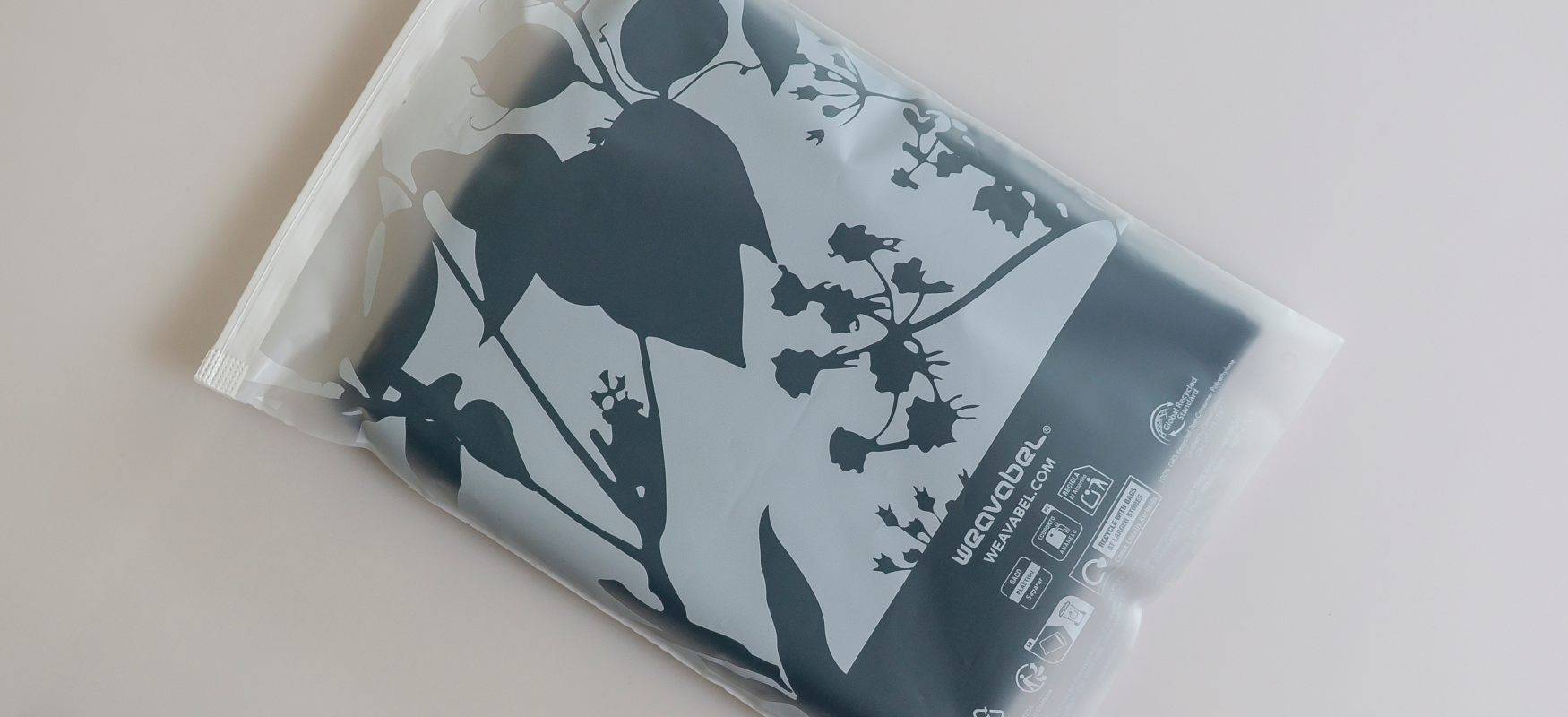
Yorkshire-based sustainable packaging and labelling specialist introduces an end-to-end recycling loop that recovers, reprocesses and reuses poly bags across the fashion supply chain.
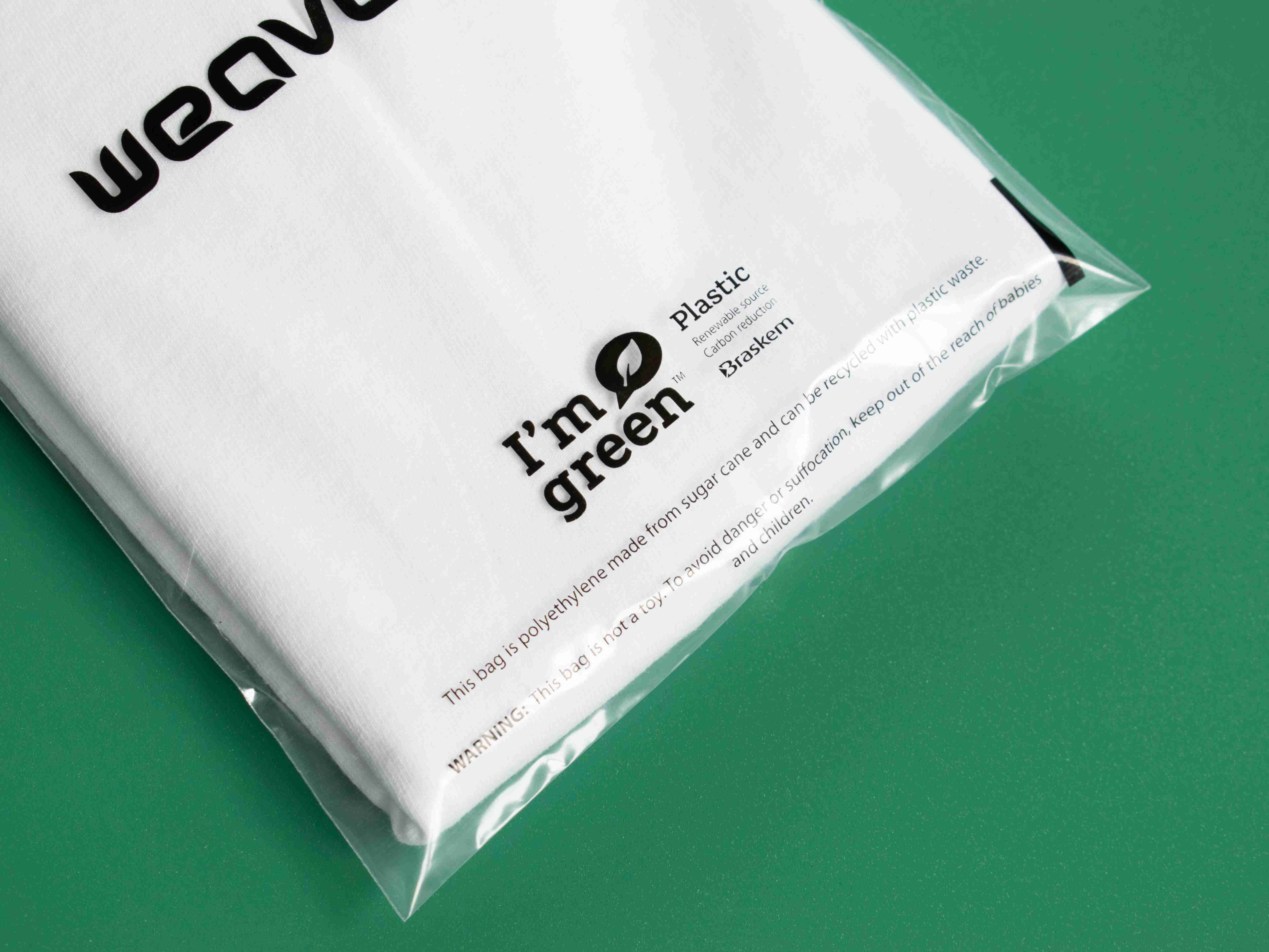
Global trims and packaging specialist Weavabel, offering sustainable branding and packaging solutions to over 950 fashion and lifestyle brands, has launched a closed-loop poly bag recycling system designed to keep packaging materials in circulation for longer, rather than letting them end up as landfill or fragmented waste.
Poly bags remain essential to the apparel supply chain — protecting garments in transit and in store — but billions end up as waste every year. Fragmented collection systems, limited recycling infrastructure, and growing regulatory and customer pressure have made it increasingly difficult for brands to manage this material responsibly. Weavabel's new offering directly addresses that gap, integrating recovery and recycling into the existing supply chain rather than asking brands to build new infrastructure of their own.
How the loop works
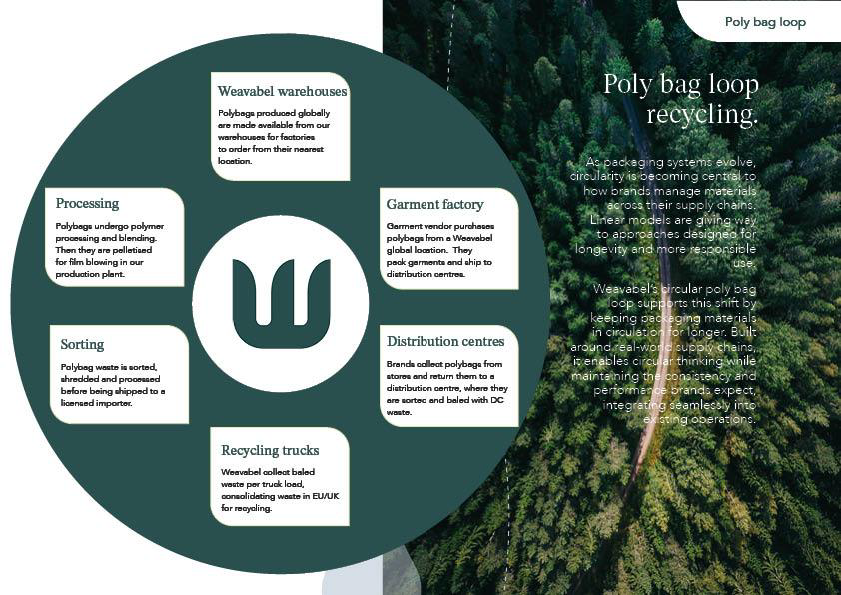
The system connects every stage of the poly bag's journey into a single, closed loop:
Recycling trucks – Weavabel collects the baled waste by the truck load, consolidating it across the EU and UK for recycling.
Sorting – poly bag waste is sorted, shredded and processed before being shipped to a licensed importer.
Processing – the material undergoes polymer processing and blending, then is pelletised for film blowing at Weavabel's production plant — ready to become new poly bags, closing the loop.
Saqib Ihsan, Lead, CSR, Sustainability and Regulatory Compliance at Weavabel, comments: "Poly bags have always been treated as disposable, but that thinking doesn't hold up anymore. Regulation is moving fast, and most brands are being asked to prove circularity, not just claim it — so we built this loop to give them a real, traceable answer. It works with the
way poly bags already move through warehouses, factories and distribution centres, so nothing has to change on the brand's side except where the waste ends up. We're not asking brands to recycle better. We're closing the loop for them."
Unlike ad hoc recycling initiatives, Weavabel's loop is fully integrated across warehouses, factories and distribution centres, giving brands a scalable route to extend the working life of their packaging and reduce reliance on virgin plastic — while maintaining the consistency and performance brands expect from their packaging.
The launch comes as tightening regulation — including the EU's Packaging and Packaging Waste Regulation (PPWR) and Ecodesign for Sustainable Products Regulation (ESPR) — pushes fashion and lifestyle brands to demonstrate genuine material circularity, not just recyclability on paper.