Brochure
 Existing customers




PU leather is fabric coated in polyurethane to look like leather. Learn how it's made, how it compares with faux, vegan and real leather, and how well it wears.
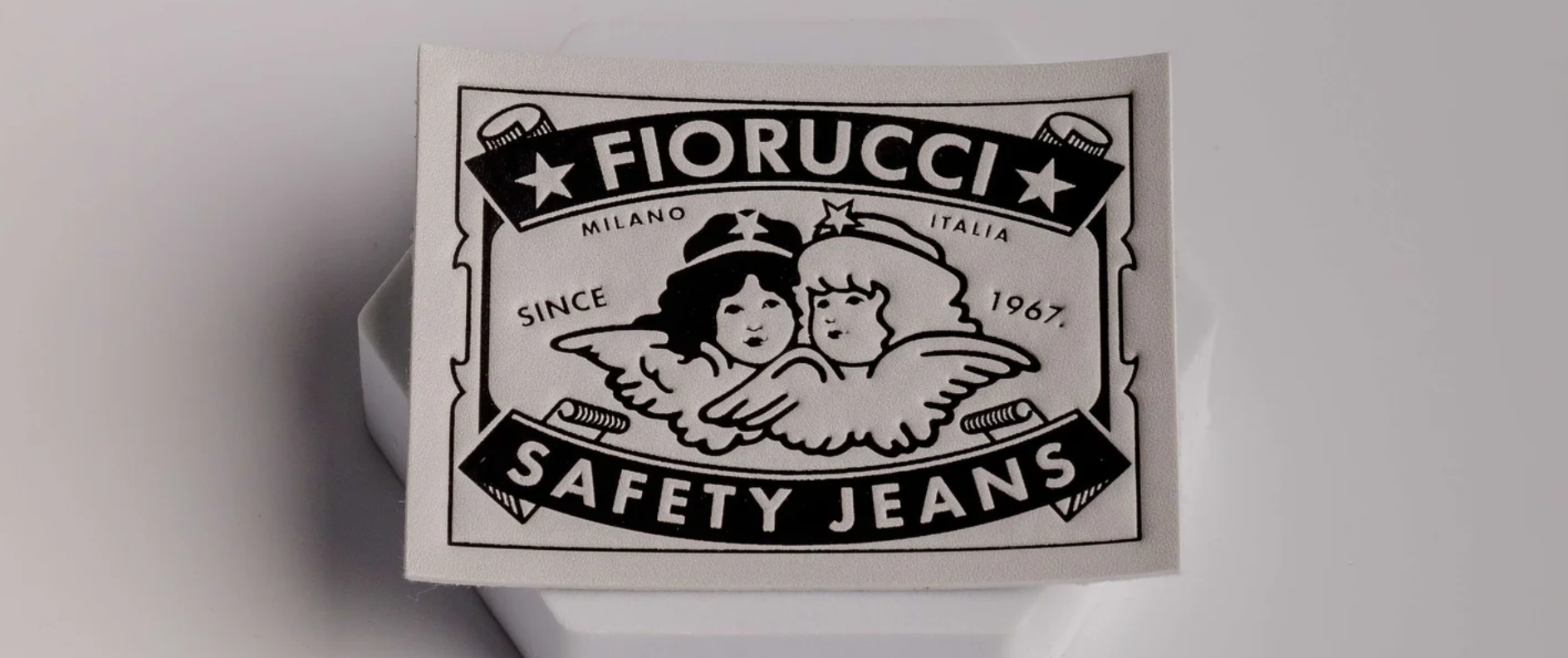
What is PU leather?
Faux, vegan and plant-based leather explained
PU leather looks like leather, but no animal hide goes into it. The name is short for “polyurethane leather”. It's typically made by applying a polyurethane coating to a fabric base such as polyester, cotton or nylon, then embossing it with a grain.
You may also see terms like “faux leather”, “vegan leather”, “synthetic leather” and “pleather” used. People often use them to mean the same thing, but they don't always describe the same material.
PU leather is used across fashion and accessories, from jackets, bags and shoes to the labels and patches applied to garments. We'll cover what it's made from, how it compares with real leather and whether it's sustainable.
What is PU leather made of?
PU leather is made of several layers bonded together. A fabric base, usually polyester, cotton or nylon, gives it strength and stability. On top of that sits a soft foam layer of polyurethane, then a coloured top coat that's embossed with a leather-like grain. Most PU leather also has a clear finish on top to protect it from UV light.
The polyurethane layers can be made in different ways. Traditionally, factories dissolved the polyurethane in a chemical solvent called DMF so it could be spread over the fabric. DMF is linked to liver damage and reproductive harm, and since 12 December 2024, EU rules have required factories that use it to coat textiles to keep workers' exposure below set limits.
Water-based PU replaces the solvent with water, so no DMF is needed to make that coating. However, not all manufacturers have switched every layer to water-based yet.
PU leather vs faux leather
Faux leather is a broad term for materials made to look like leather without using animal hide.
PU leather is one type of faux leather. Another common type is PVC, sometimes called vinyl.
The two can look alike, but they feel different. PU is generally used where a softer, more flexible feel matters, while PVC tends to be stiffer.
Faux leather vs real leather
PU leather can look a lot like real leather, but the two are made very differently.
|
|
PU leather |
Real leather |
|
Material |
Polyurethane-coated fabric |
Animal hide |
|
Look |
Consistent leather-look finish |
Natural variation |
|
Feel |
Smooth and even |
Varies with the hide and finish |
|
Breathability |
Less breathable |
More breathable |
|
Durability |
Coating can peel or crack over time |
Can dry out or crack without care |
|
Care |
Wipes clean |
Needs cleaning and conditioning |
|
Cost |
Generally lower |
Generally higher |
|
End of life |
Plastic-based and doesn't biodegrade |
Depends on tanning and finishing |
PU leather is one type of faux leather. Another common type is PVC, sometimes called vinyl.
The two can look alike, but they feel different. PU is generally used where a softer, more flexible feel matters, while PVC tends to be stiffer.
What is vegan leather made of?

Vegan leather is a broad term for leather-look materials made without animal-derived ingredients. PU and PVC are common choices, both made by applying a synthetic coating to a fabric backing.
That means PU leather can be vegan, as long as the backing, glues and finishes are animal-free too. Vegan doesn't automatically mean sustainable.
Some newer vegan leathers use plant-derived ingredients, such as apple waste, cactus, mushroom-derived material and pineapple-leaf fibre.
These plant-based leathers often still contain plastic. In the 2021 FILK study above, the plant-based materials tested were all polyurethane-coated fabrics. The polyurethane gives them strength and flexibility, and how much of each material comes from plants varies from product to product, and even from batch to batch.
Is PU leather durable?
PU leather can be durable, but how long it lasts varies a lot from one product to the next.
It comes down to how it's made and how it's used. Heat, sunlight, moisture, rubbing, washing and bending all wear it down over time.
Over time, moisture can break down some types of polyurethane through a process called hydrolysis. BASF's technical data shows polyester-based polyurethane is far more prone to this than polyether-based types, which is one reason two PU products can age so differently.
When it happens, the material stiffens, cracks or peels away from the fabric underneath. Flaking is also worse on stretchy backings such as knitted fabric, according to the MoMu fashion museum's study of polyurethane damage.
Where it's used matters too. A patch on a pair of jeans faces a different mix of washing, rubbing and bending compared to a handbag or a shoe.
The same goes for vegan leather. How long it lasts comes down to what it's made of and how it's used, rather than the vegan label.
Is PU leather sustainable?
Standard PU leather is plastic-based, made from chemicals often derived from crude oil, and it isn't biodegradable. Being an alternative to animal leather doesn't make it sustainable. A vegan label tells you no animal products went in, but it says nothing about how the material was made or what happens to it afterwards.
Recycled PU certified to the Global Recycled Standard (GRS) is one alternative to new PU. The standard, run by Textile Exchange, checks recycled content through the supply chain and sets social, environmental and chemical requirements for processing. The overall impact still depends on the whole product and how it's made.
Recycled PU follows the same idea as recycled polyester, reusing synthetic material that already exists rather than making it new.
Water-based PU and plant-based leathers, covered above, are two other options.
Recycled leather is another option, made from leather offcuts, production scraps and old products that would otherwise go to waste.
Choosing leather-look materials for labels and patches
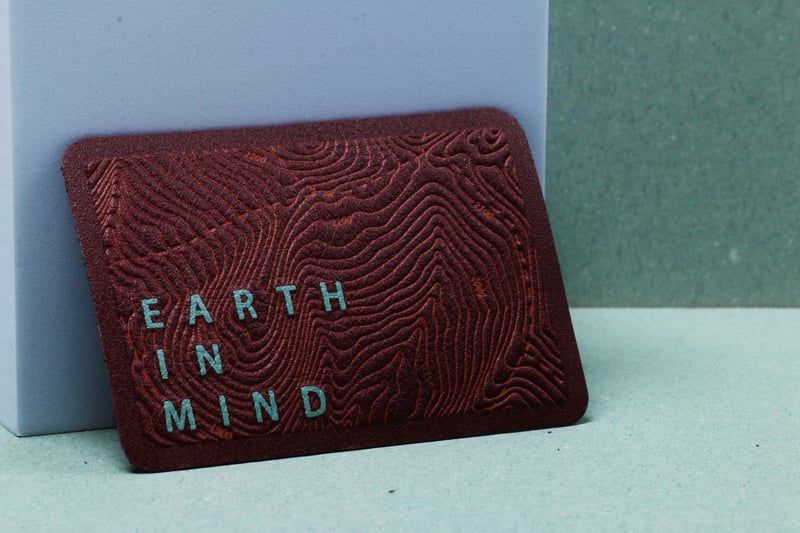
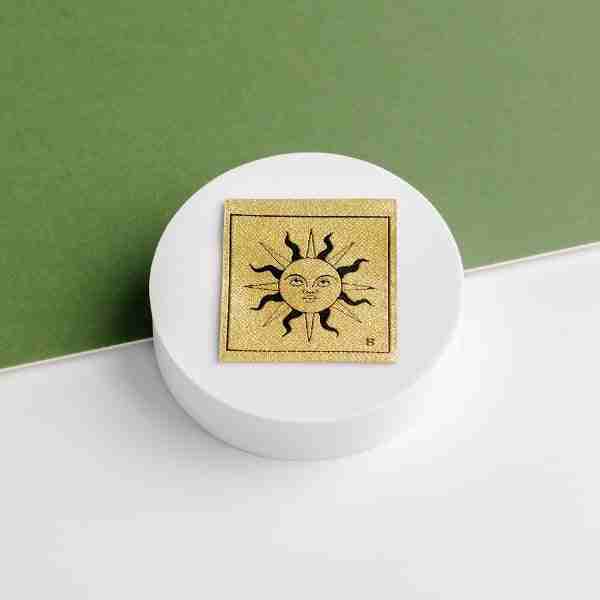
For brands, choosing a leather-look material for labels, patches and badges starts with how the finished garment will be worn and washed.
The material has to look and feel right, hold up on denim or outerwear, and cope with the garment's washing instructions. Ask your supplier for the material's full make-up, including the backing, coating, glues and finishes, along with its test results and the certifications behind any claim. That's the evidence you can pass on to your own customers. For garments that see a lot of wear, it's also worth running your own wash and durability tests on the finished product.
Our materials for labels and patches include:
- Apple leather
- GRS-certified recycled PU
- Water-based PU
- Cactus leather
- Recycled leather
- OEKO-TEX® certified genuine leather
Each one looks, feels and wears differently, so the right choice depends on where it sits on the garment and the evidence your customers will expect.
Explore our leather clothing labels to see the options for labels, patches and other branded trims.
Frequently asked questions
Is PU leather waterproof?
PU leather resists water thanks to its polyurethane surface, but that doesn't make a PU product fully waterproof. How well it keeps water out depends on the material's construction and finish.
Is PU leather real leather?
No. PU leather is a synthetic material made to look like leather. To check, look for “polyurethane” or “PU” in the materials listed on the product's label.
How do you clean PU leather?
Wipe it with a soft, damp cloth and a little mild soap, then let it dry naturally away from direct heat. Avoid solvents, bleach and abrasive cleaners, which can damage the coating, and always check the care label first.
Our Textiles Cheat Sheet gives a quick overview of the materials and terms you need to know. If you have a project or question in mind, speak to our team and we’ll be happy to help.